

THE NEED
Reading is foundational to learning, yet many children struggle to develop the fluency and comprehension skills required for academic success. When children find reading difficult, they often fall behind in school, lose confidence, and gradually disengage from classroom learning.
Evidence consistently shows that children who read for pleasure demonstrate stronger cognitive development, improved language and communication skills, better academic performance, and greater creativity and confidence.
However, for many children growing up in underserved environments — including municipal schools, informal settlements, construction sites, street situations, and children’s homes — access to engaging reading materials remains extremely limited.
In many cases, children are exposed only to textbooks, with little opportunity to explore stories that spark imagination or reflect their lived experiences. The few reading resources that are available are often not age-appropriate, linguistically relevant, or culturally relatable, and are rarely available in sufficient numbers.
Without regular exposure to enjoyable and meaningful reading materials, children may begin to associate reading solely with academic pressure rather than curiosity, exploration, and joy.
SOLUTION
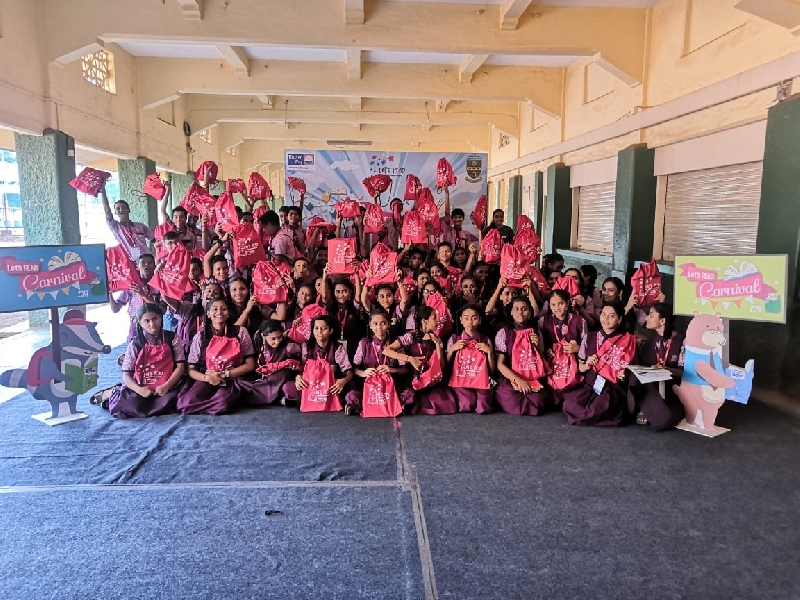
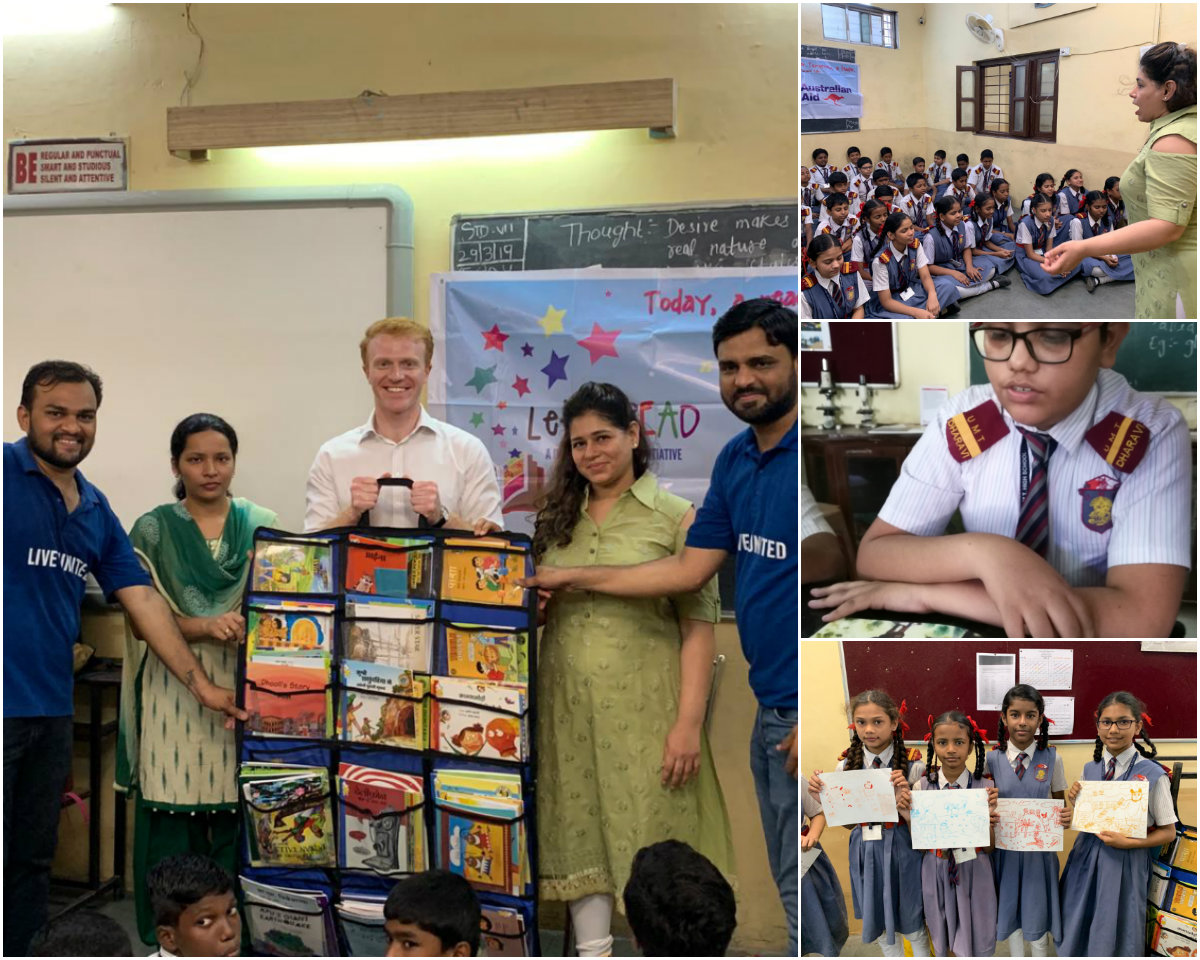
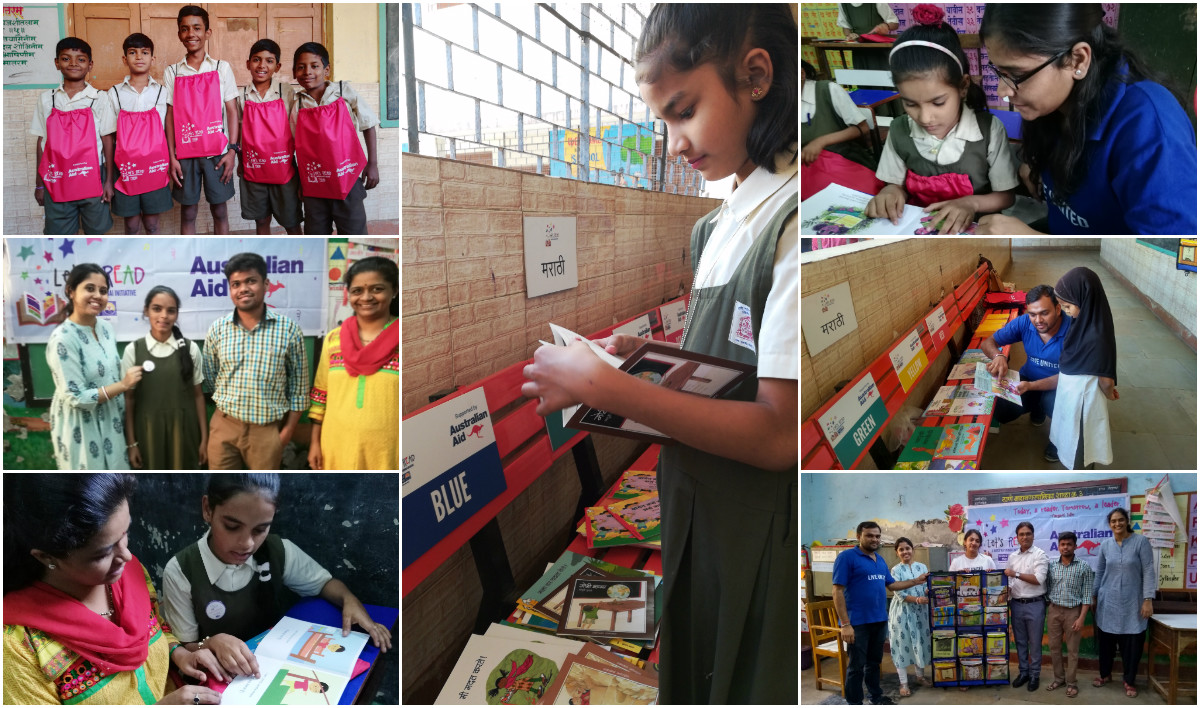
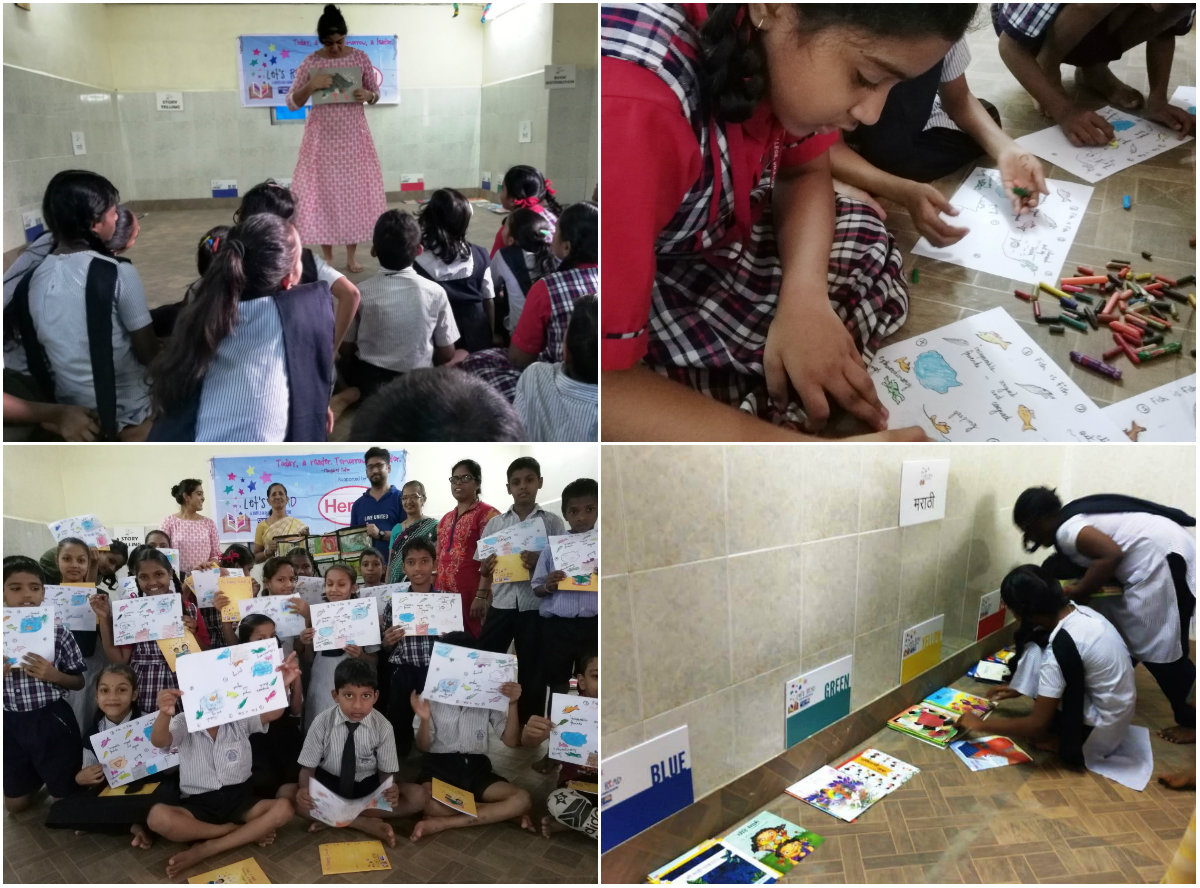
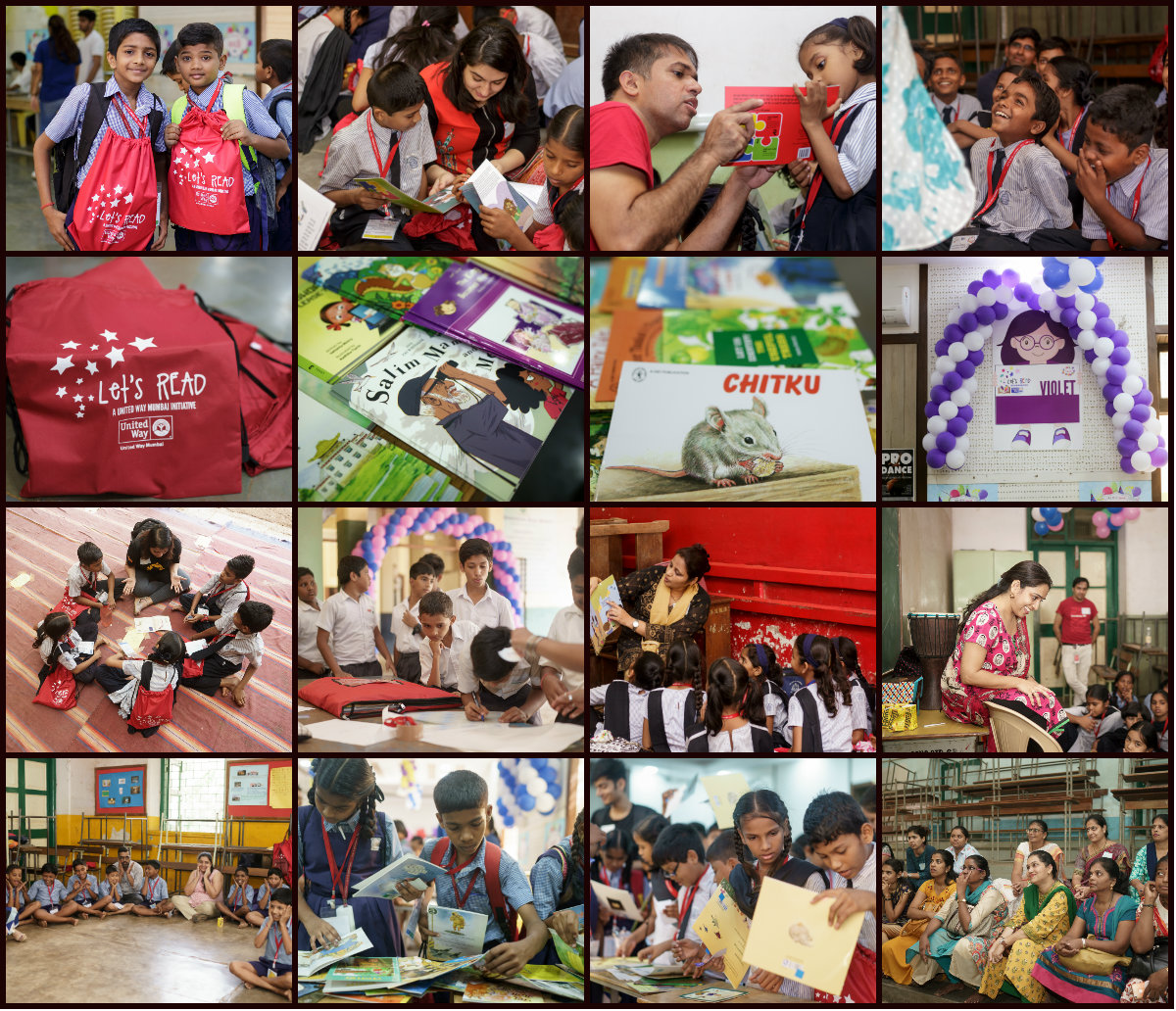
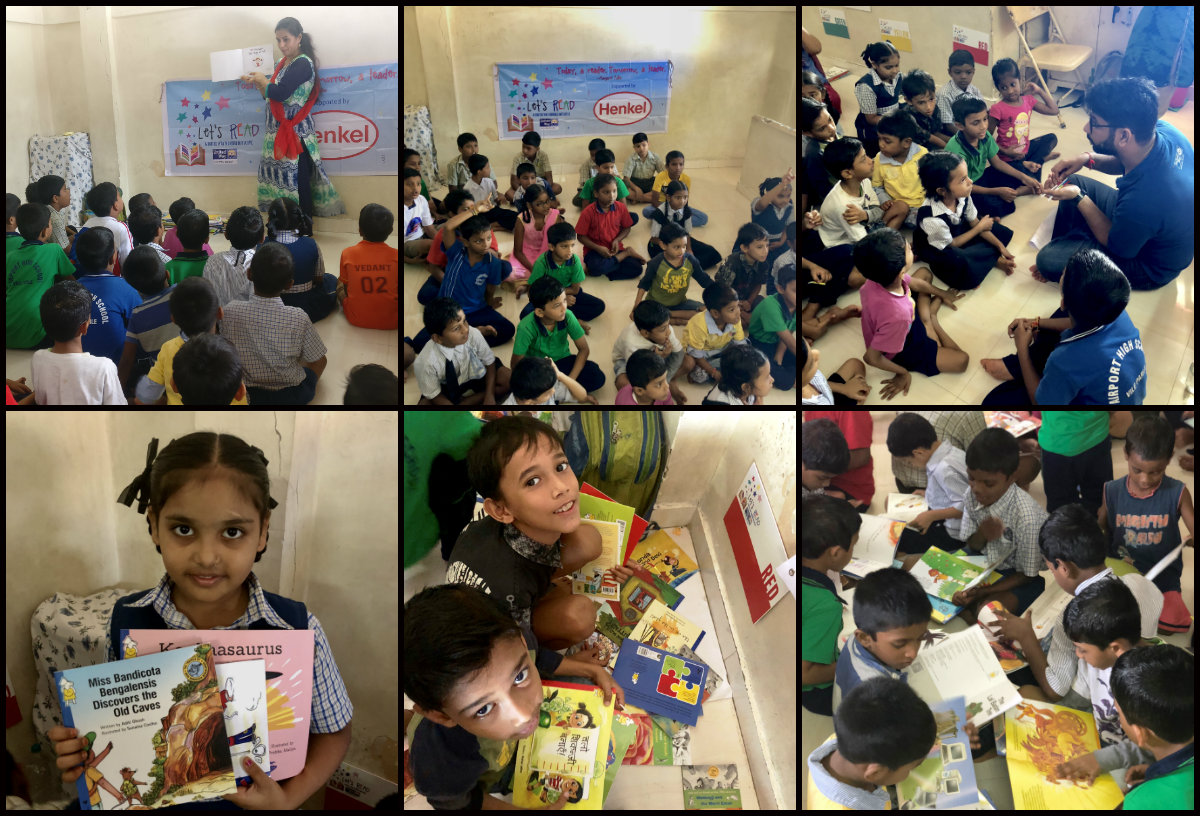
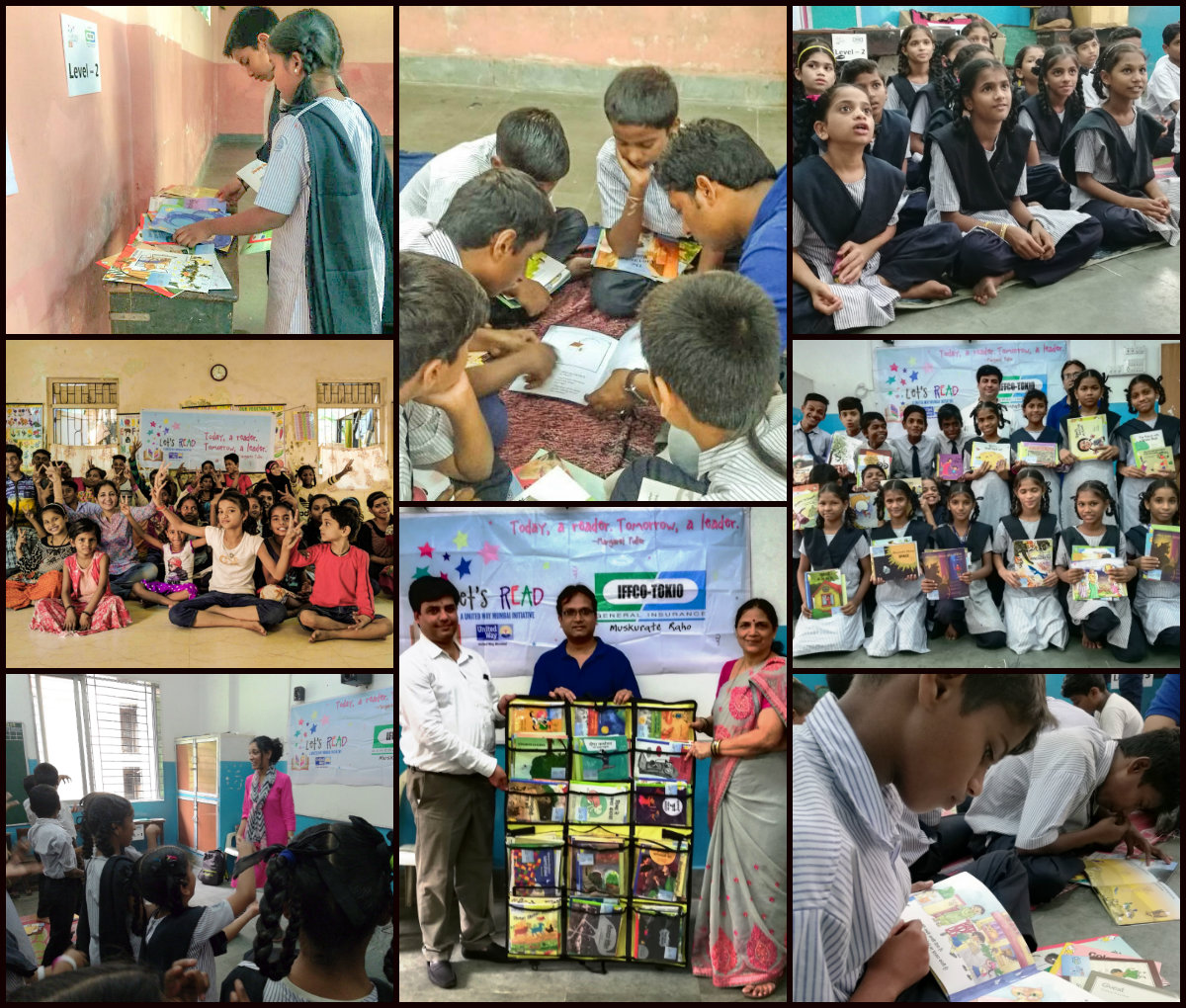
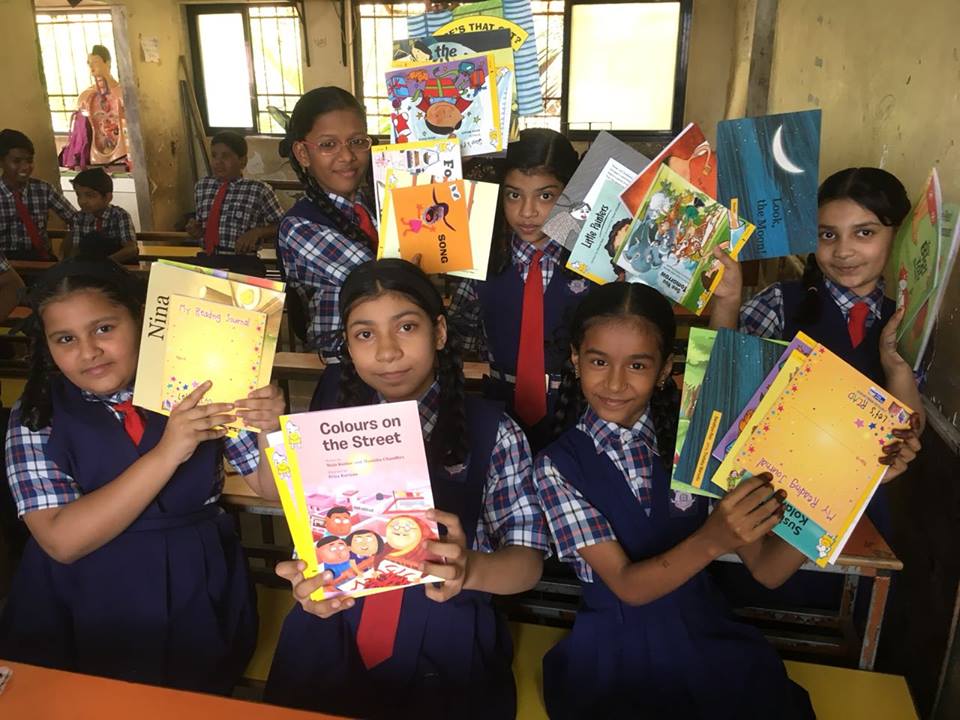
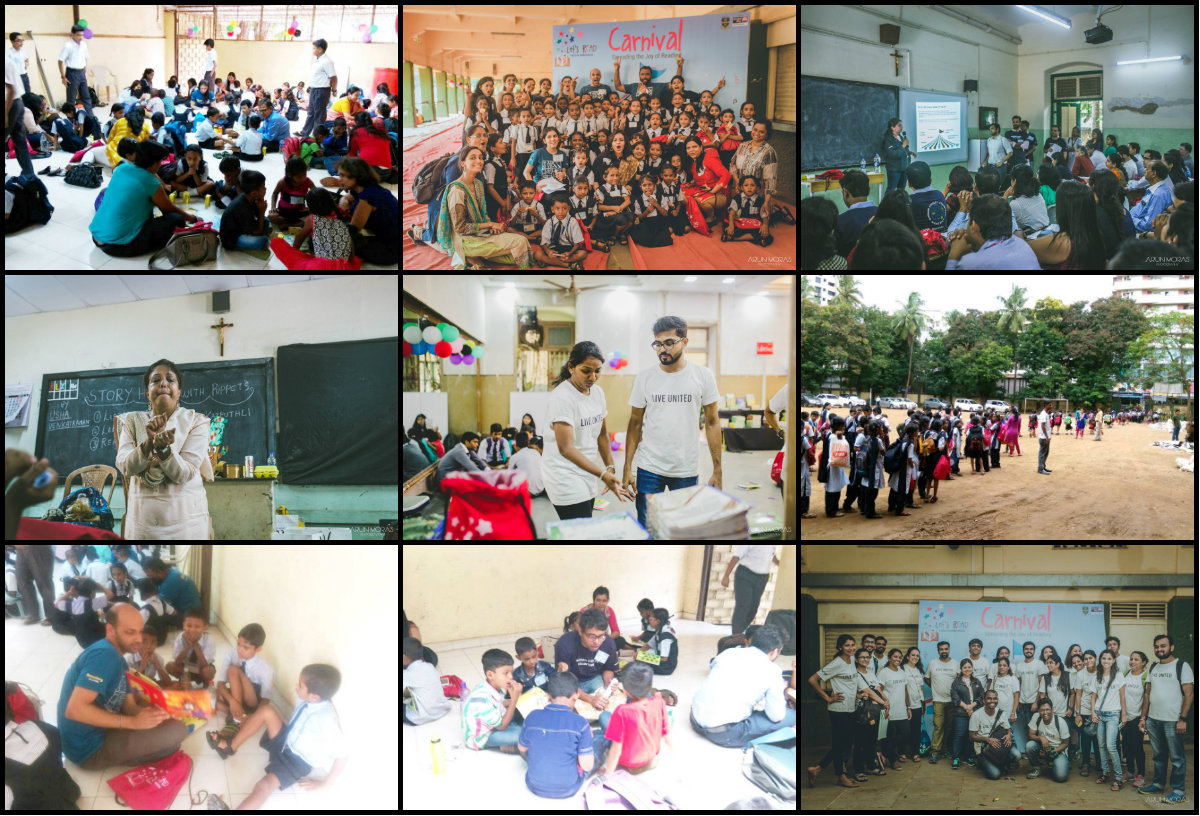
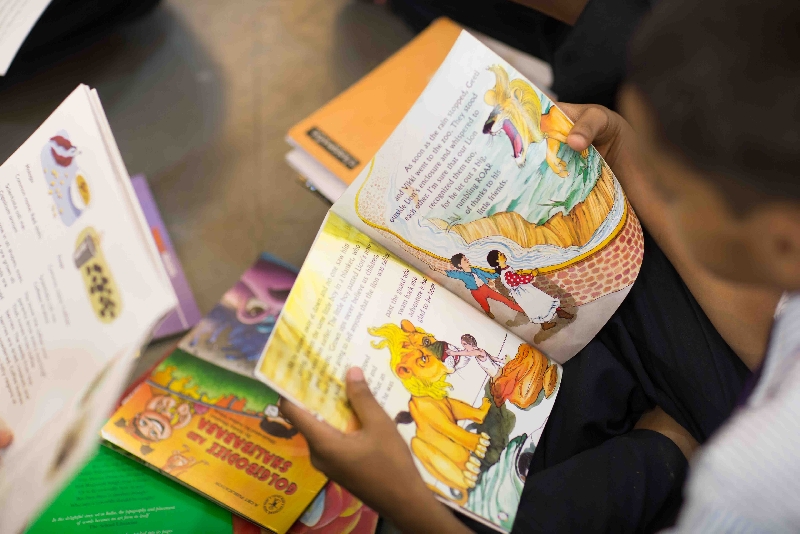
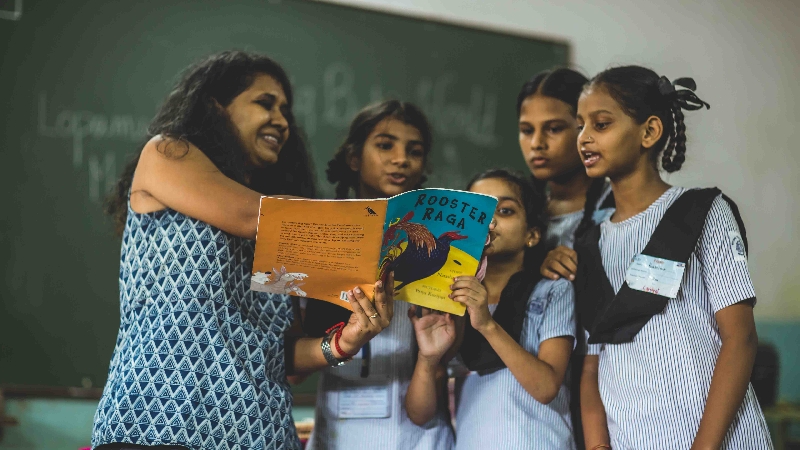
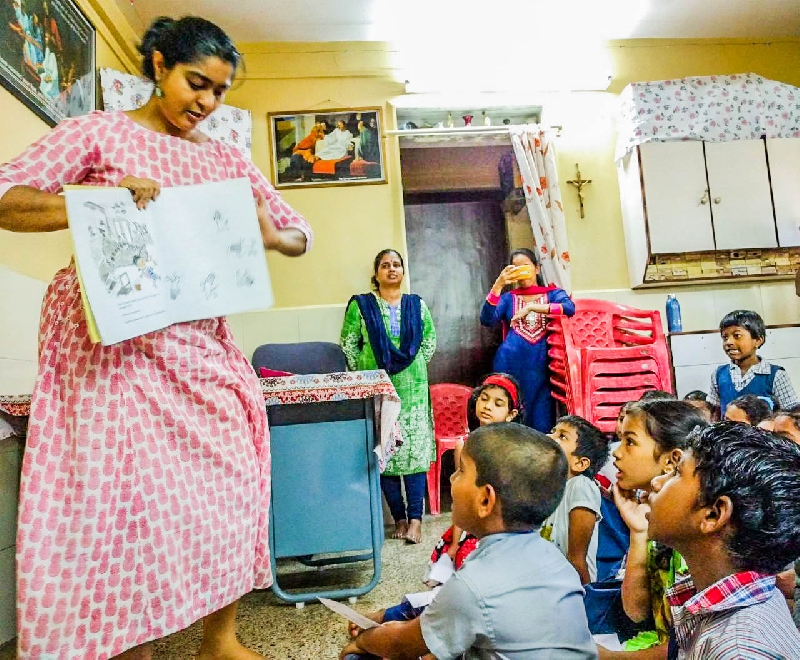
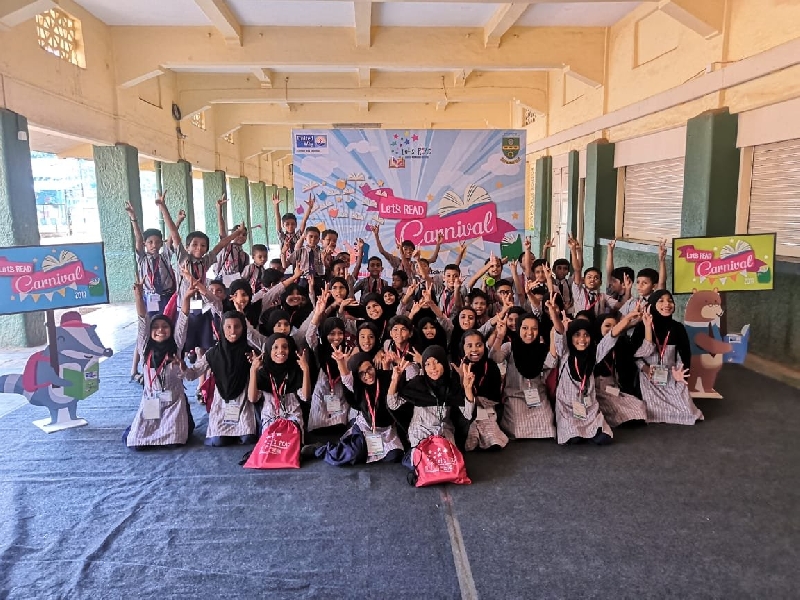
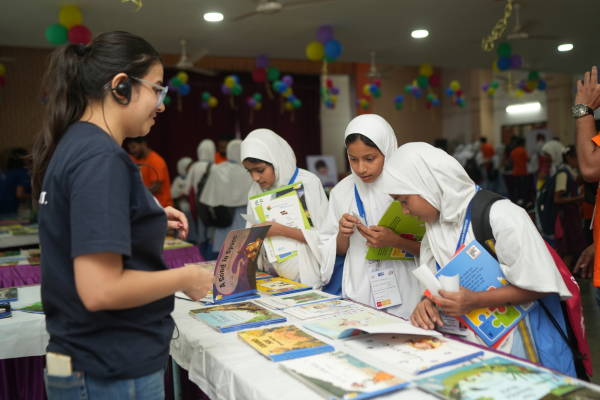
Let’s READ promotes reading for pleasure by ensuring that children have regular access to well-written, beautifully illustrated, multilingual, and culturally relevant books. The programme focuses on creating joyful reading environments where children can discover stories that reflect their languages, experiences, and imagination.
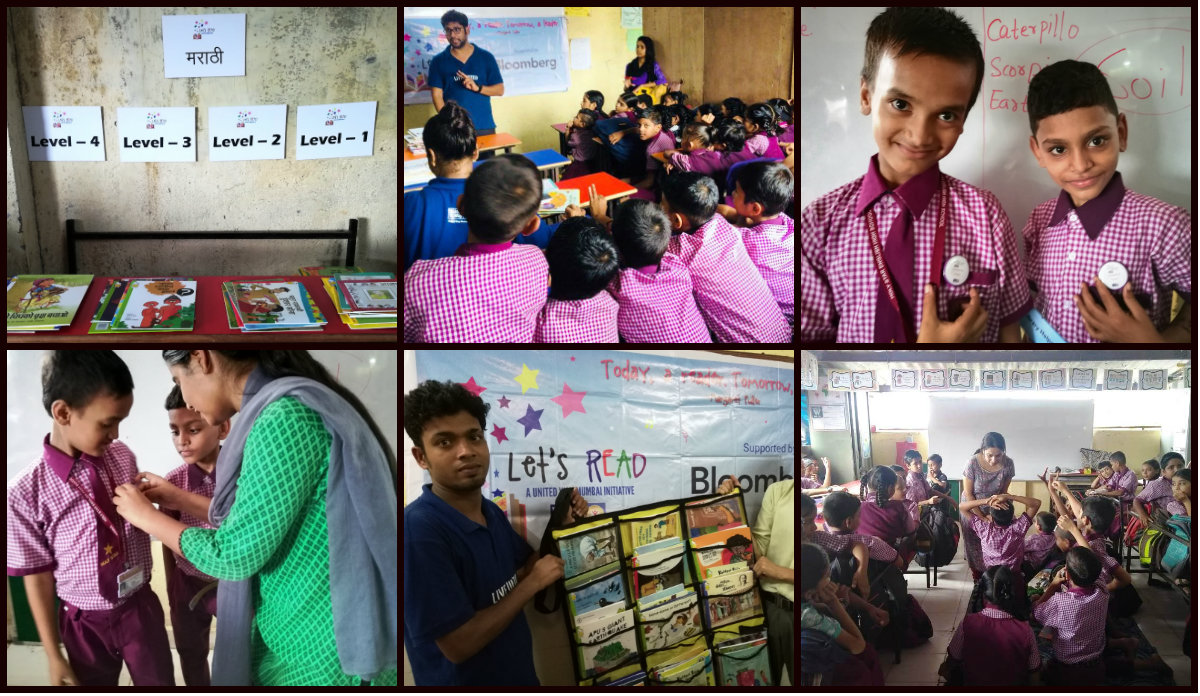
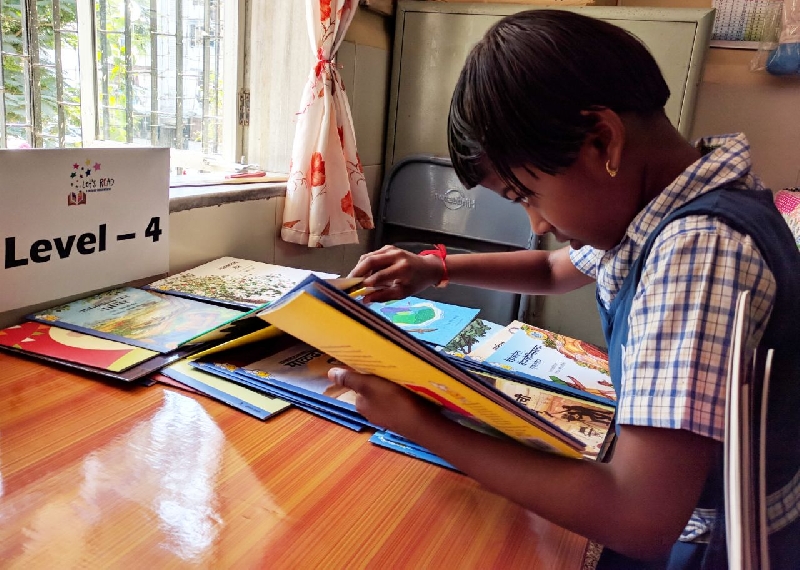
Books are carefully curated based on age and reading levels, language competencies, reading assessments, and local context, ensuring that children are able to engage meaningfully with what they read. The collection draws largely from Indian publishers, celebrating diverse languages, themes, and storytelling traditions.
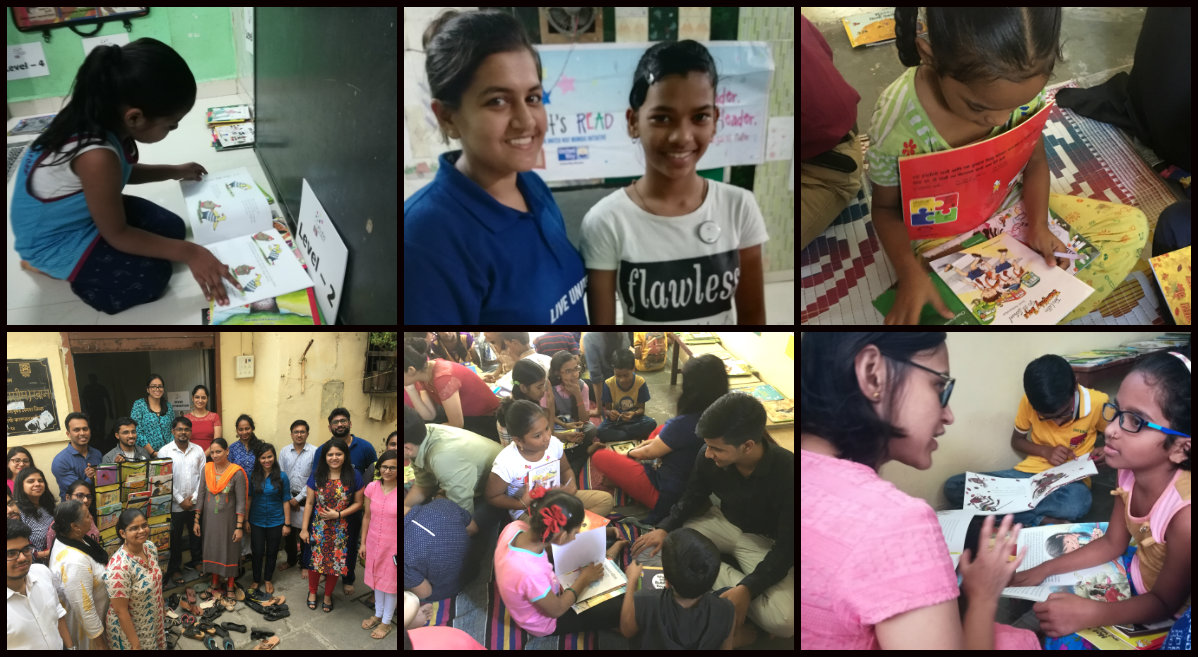
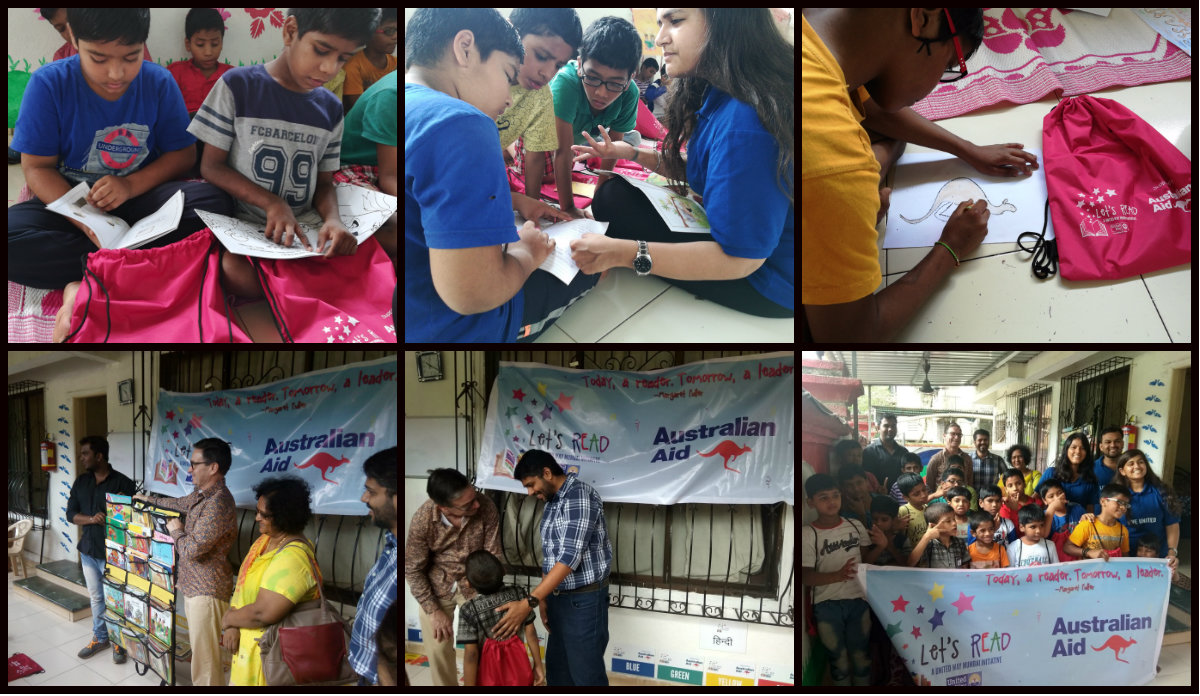
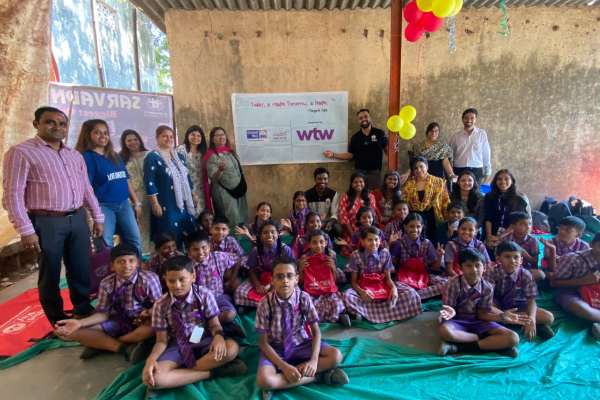
Through partnerships with schools, NGOs, and community organisations, Let’s READ works to build sustainable reading ecosystems for children growing up in underserved environments.
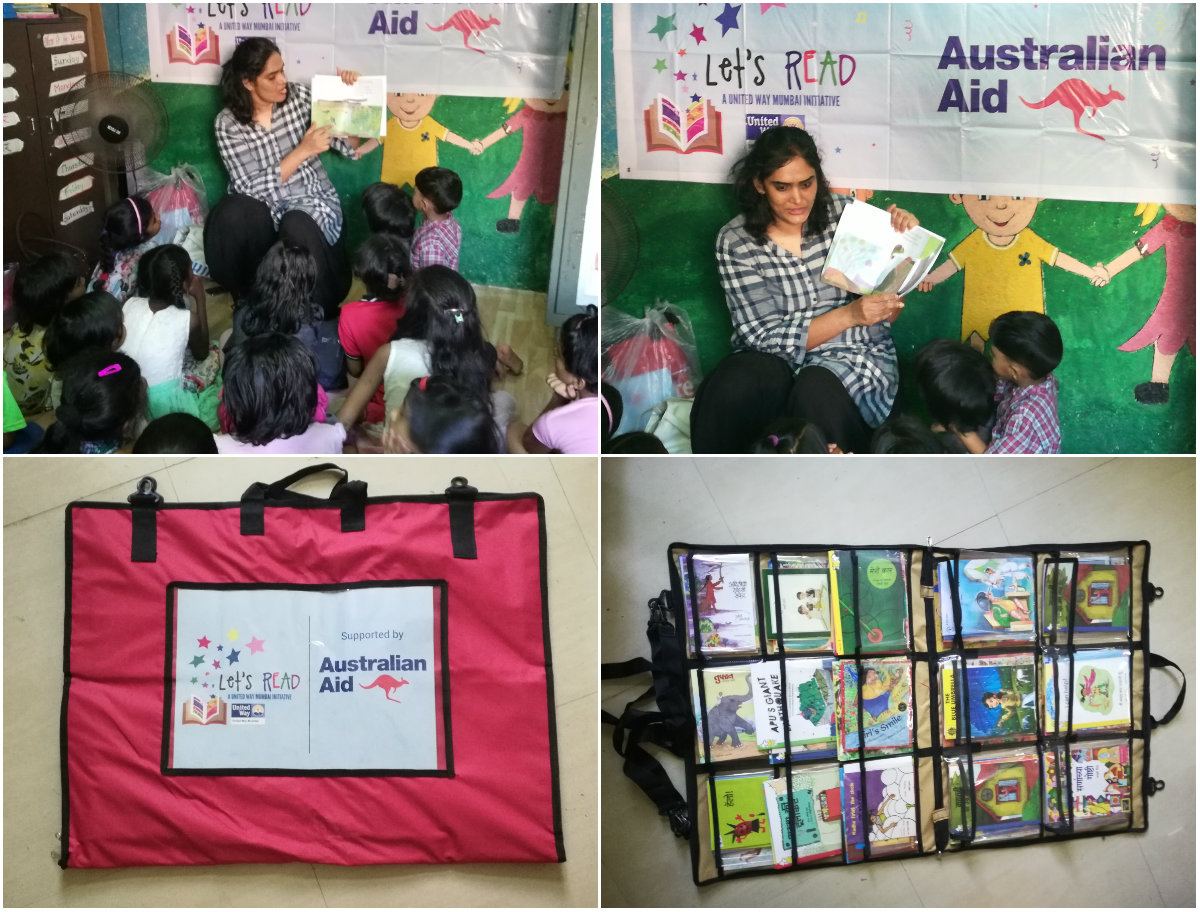
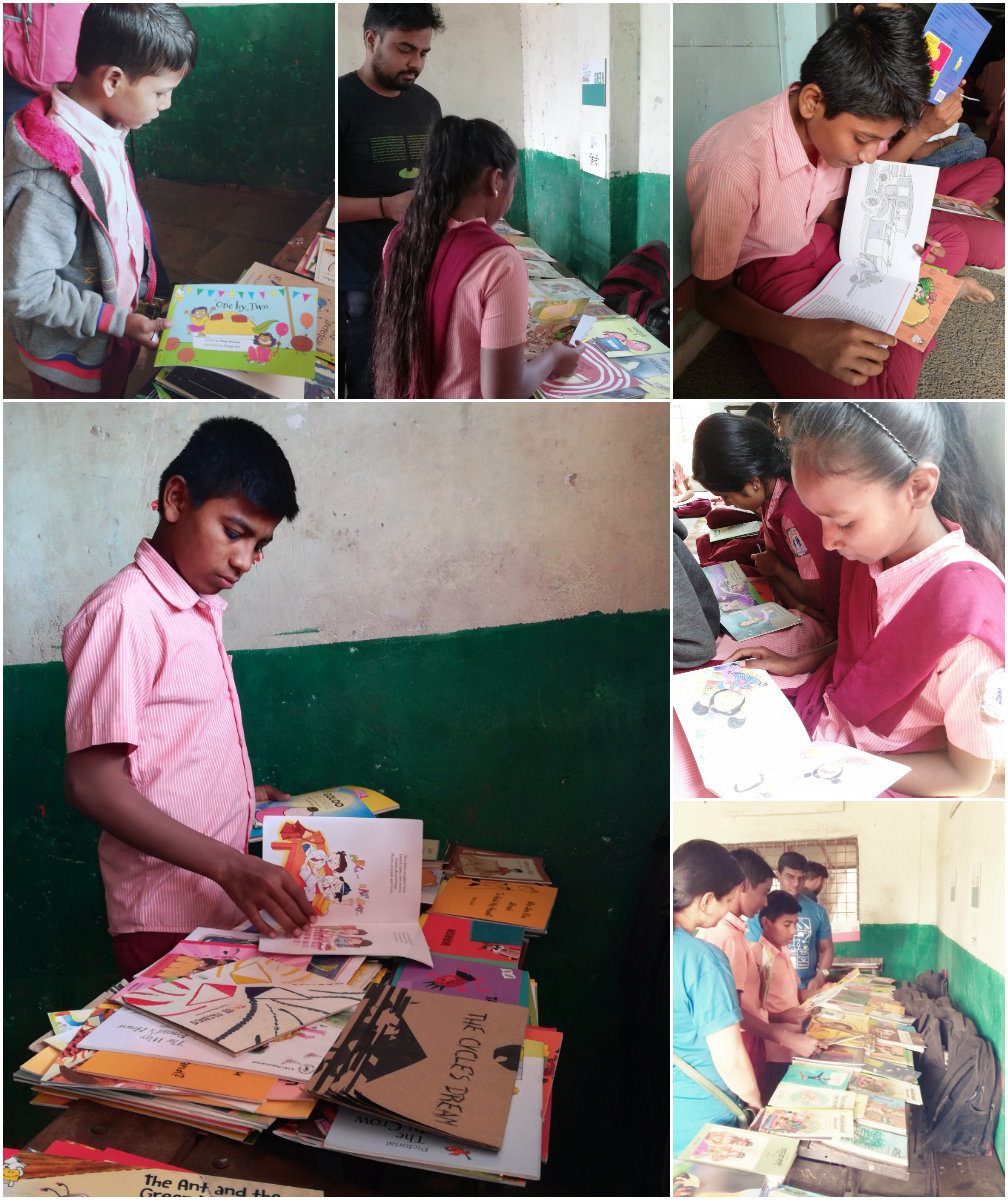
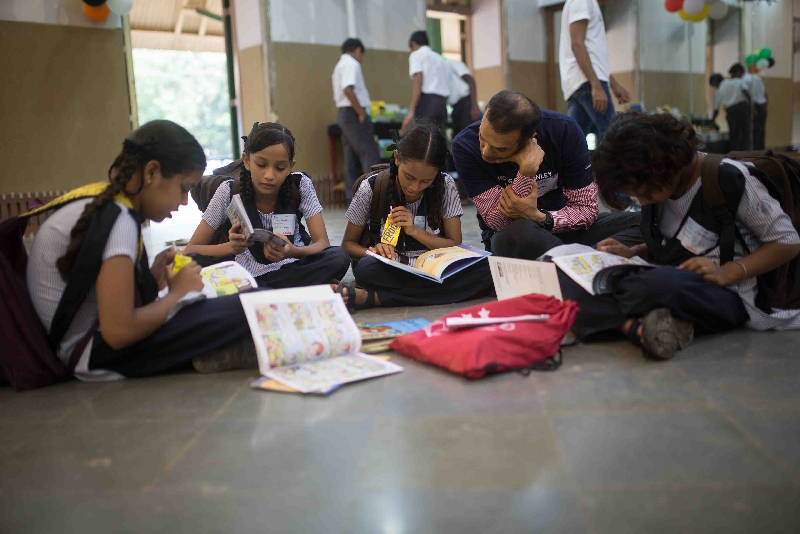
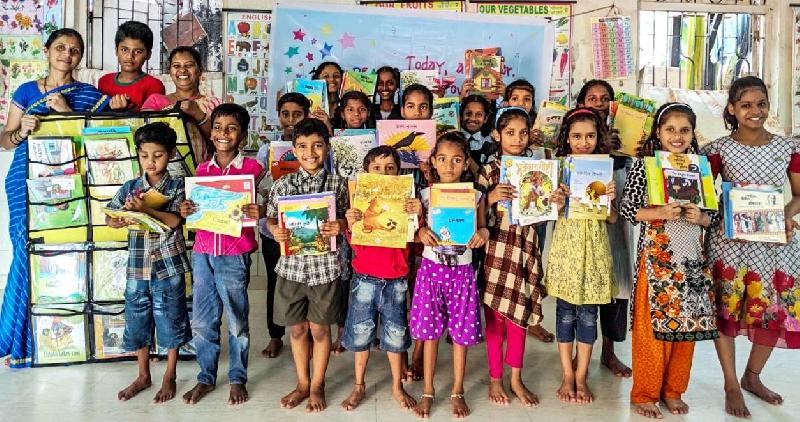
- These spaces are designed to be welcoming and accessible, encouraging children to explore books independently as well as together with peers.
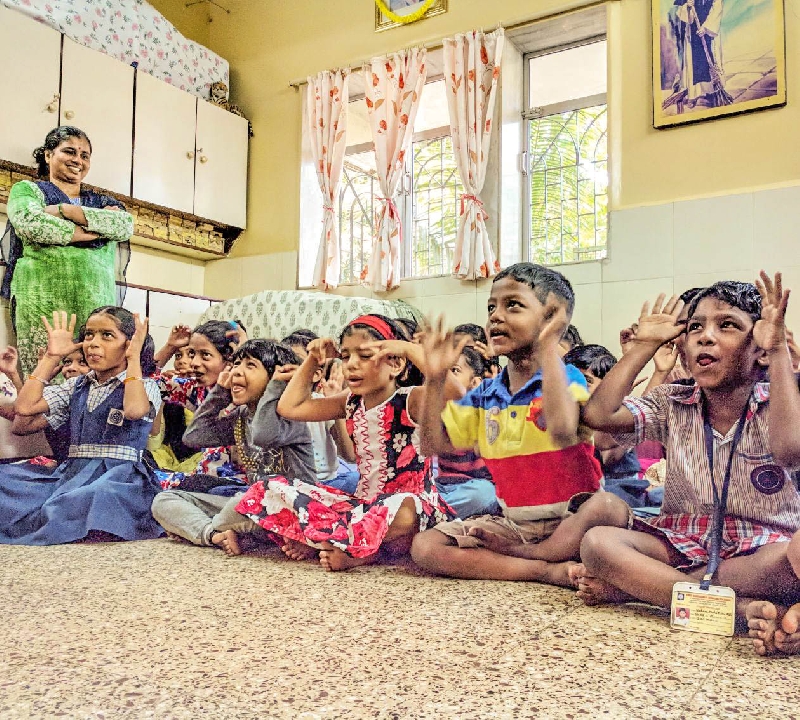
- By creating dedicated reading spaces, the programme helps transform reading from an academic task into an experience of curiosity and enjoyment.
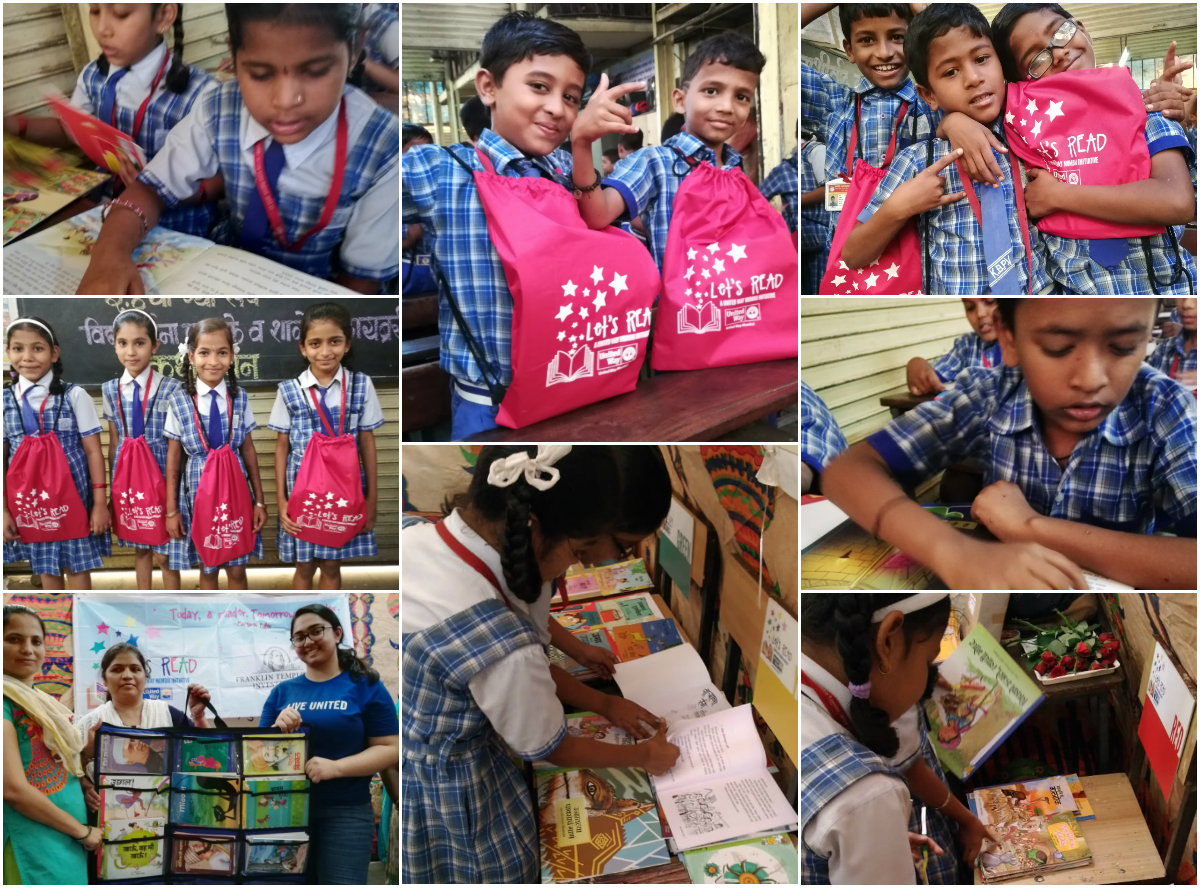
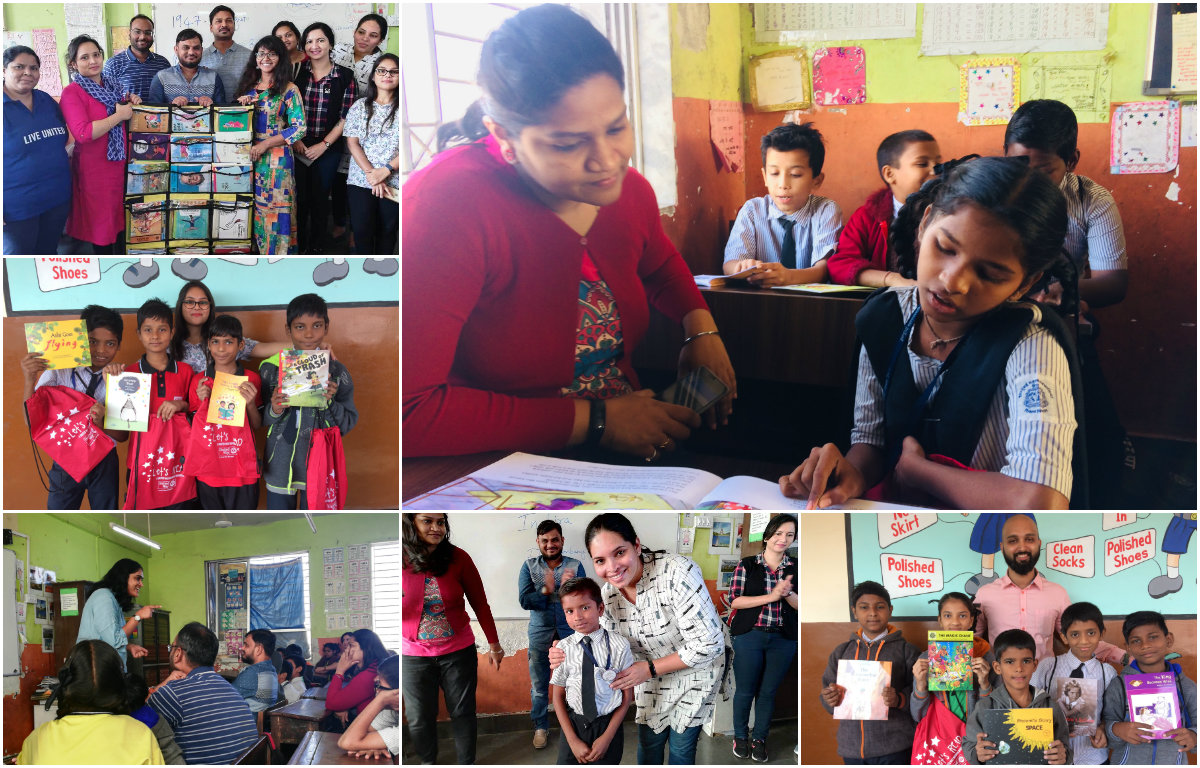
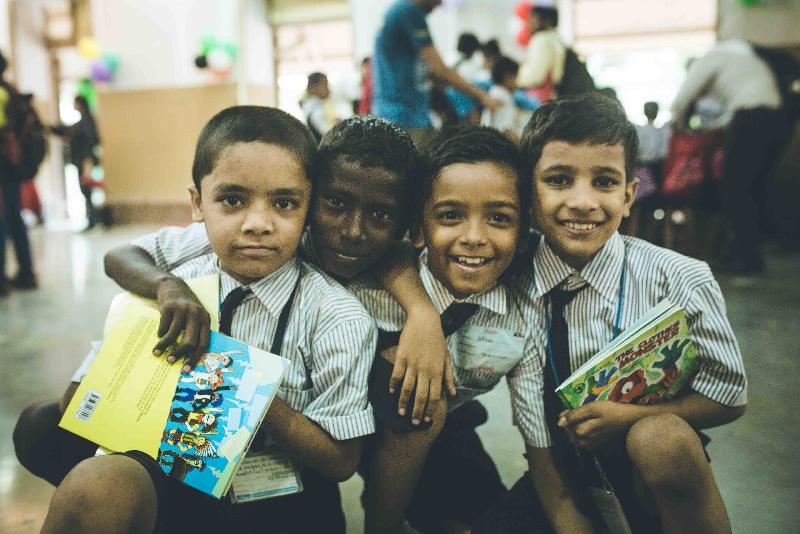
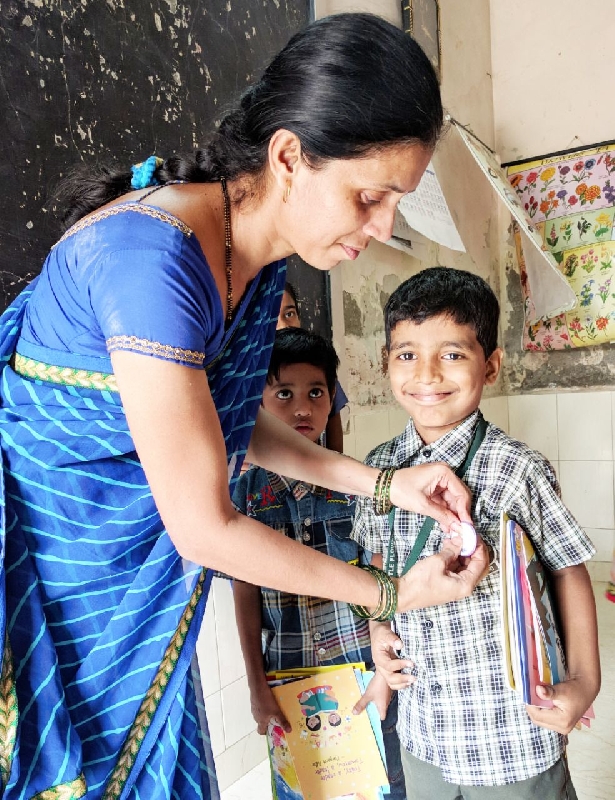
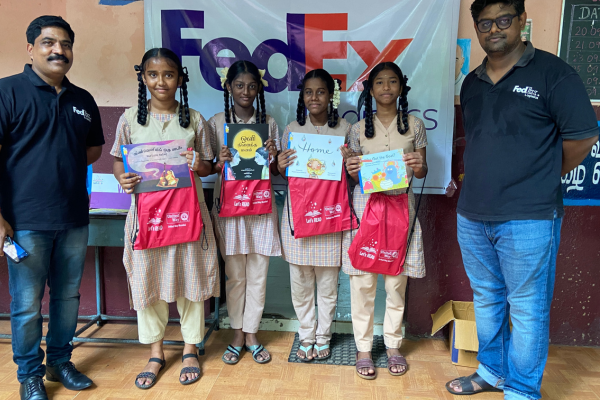
- Owning books fosters a sense of pride and connection with reading, encouraging children to continue exploring stories beyond programme spaces and develop a lasting reading habit.
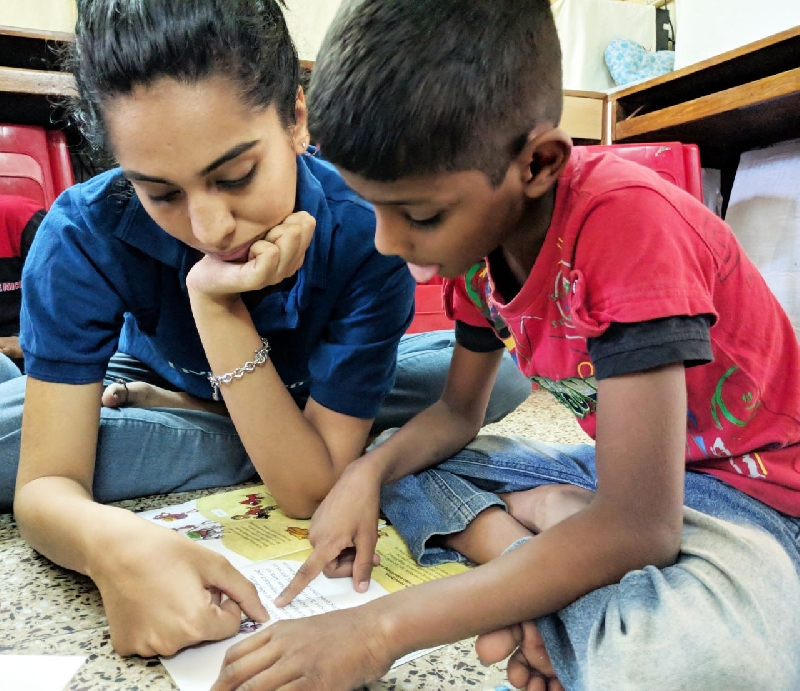
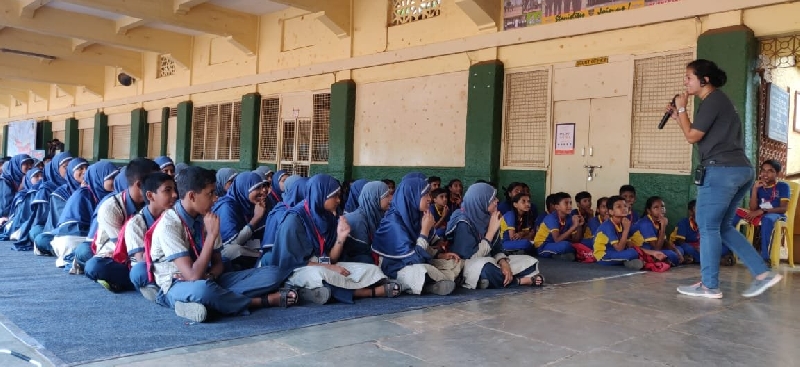
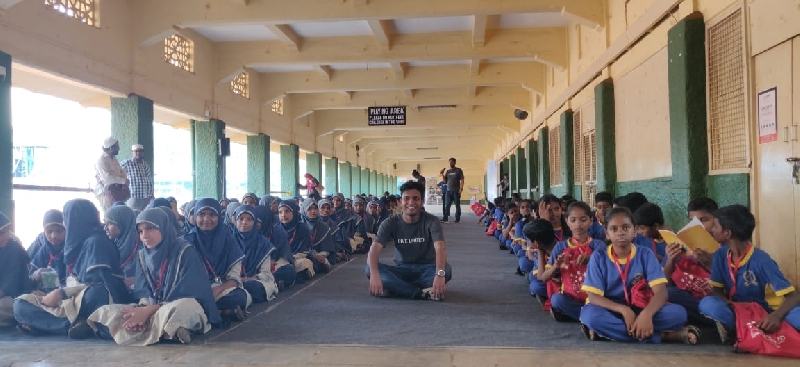
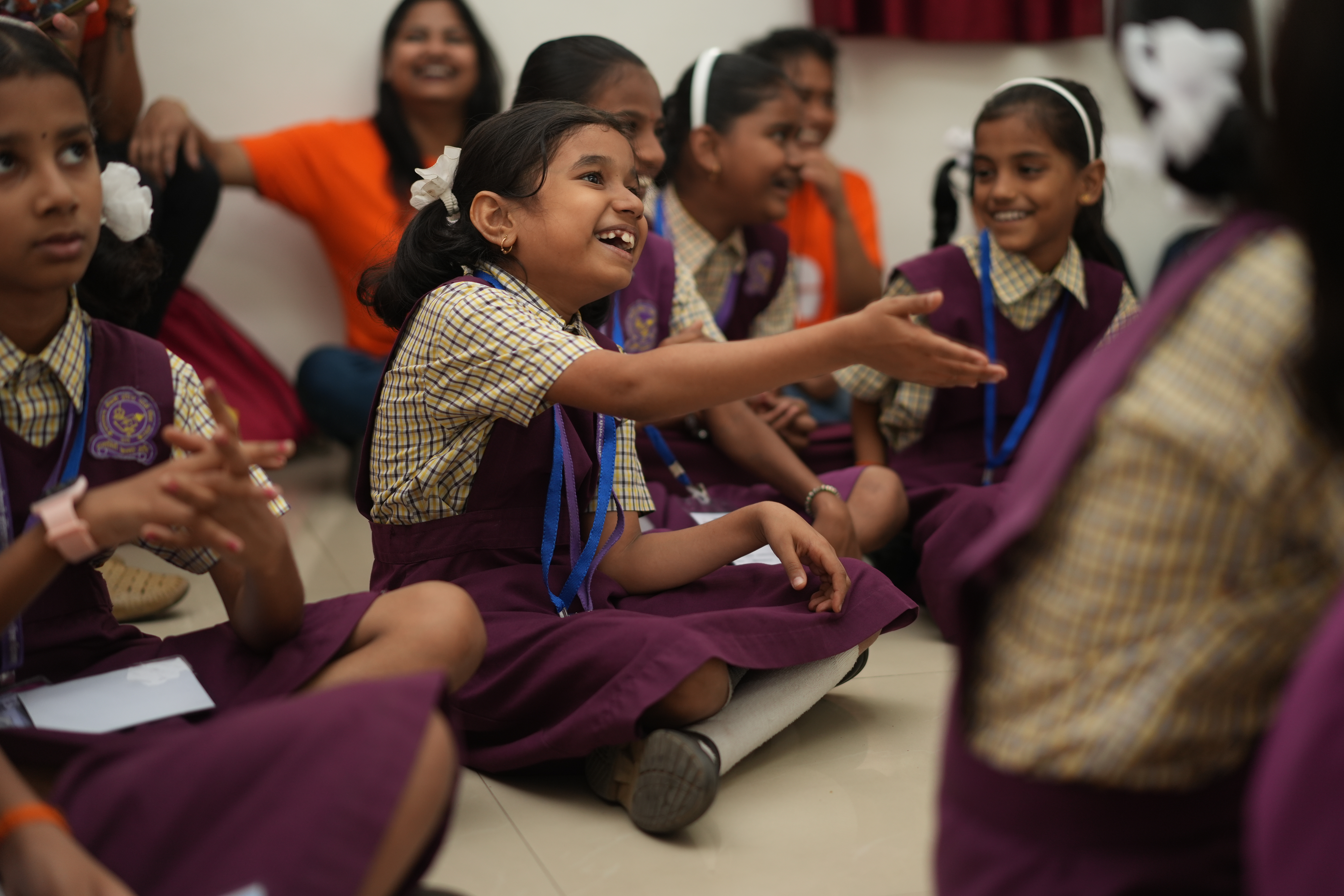
- Such experiences also demonstrate that reading can be a shared, joyful activity, not just an academic requirement.
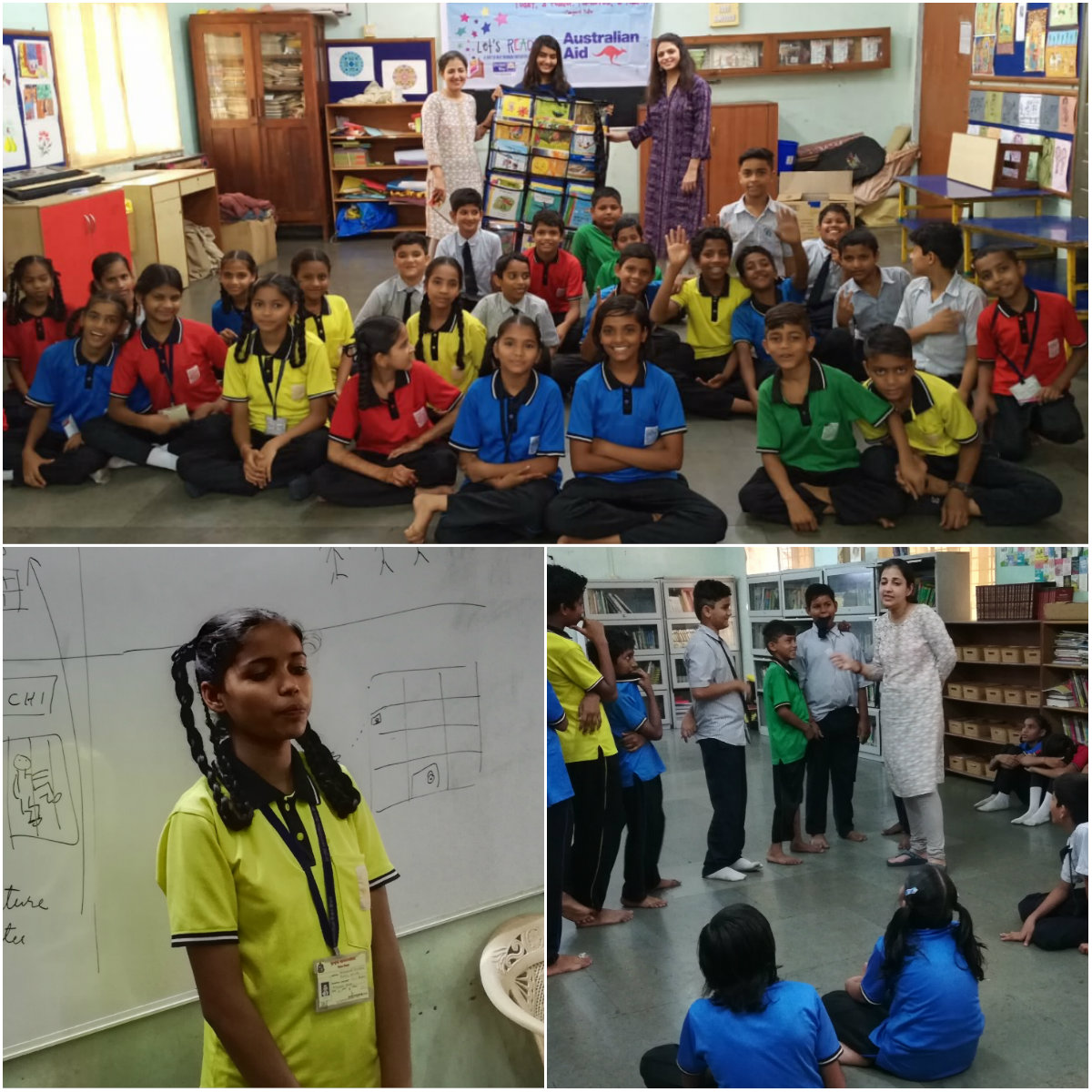
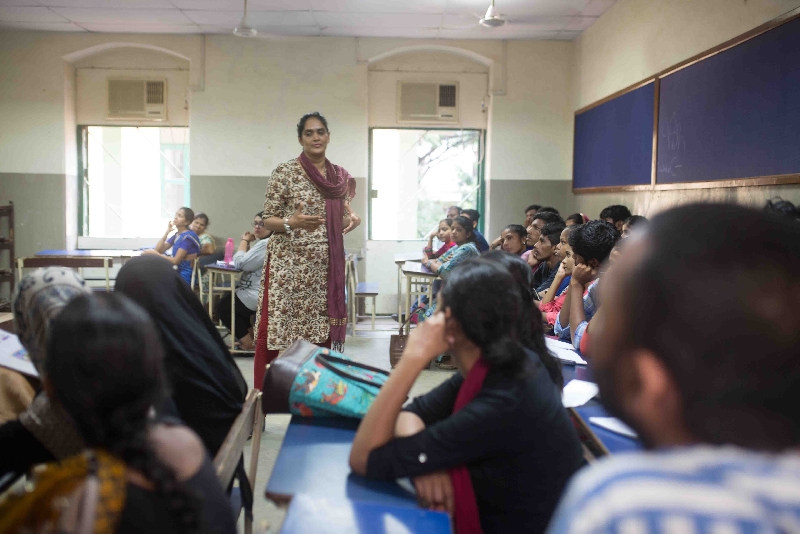
- Training focuses on effective read-aloud techniques, selecting books suited to children’s reading levels, and creating classroom environments that encourage reading for pleasure.
- This helps ensure that the reading culture continues well beyond the programme’s direct interventions.
.png)