

THE NEED
United Way Mumbai’s Mission Mangroves focuses on the conservation, restoration, and long-term protection of Mumbai’s mangrove ecosystems.
Mangroves are critical to Mumbai’s environmental resilience. They act as natural buffers against coastal flooding, support biodiversity, improve air quality, filter pollutants, and sustain local livelihoods. Despite their ecological value, mangrove habitats face increasing pressure from waste dumping, plastic accumulation, and urban encroachment.
Building on years of work in wetland restoration, Mission Mangroves combines mangrove plantation, maintenance, and comprehensive waste management to safeguard degraded and vulnerable wetlands across Mumbai.
Dumping and accumulation of waste remains one of the most persistent threats to Mumbai’s wetlands.
With every tidal cycle, large volumes of waste — predominantly non-degradable plastics and thermocol — enter mangrove zones. This waste becomes trapped within the dense aerial root networks, disrupting natural ecological processes.
Uncollected waste leads to:
- Obstruction of tidal water flow
- Choking of mangrove aerial roots
- Degradation of wetland health
- Increased vulnerability of plantations
Many wetland areas remain outside routine municipal waste servicing, resulting in continuous accumulation. Over time, this compromises mangrove survival, regeneration, and ecosystem stability.
As available land for new plantations has reduced, the priority has shifted from expansion to protection and preservation of existing mangroves and restored wetlands.
SOLUTION
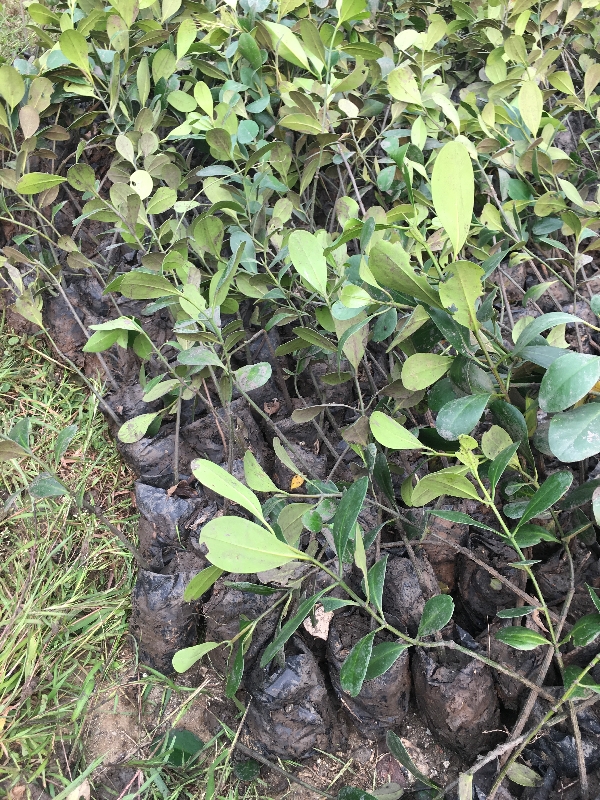
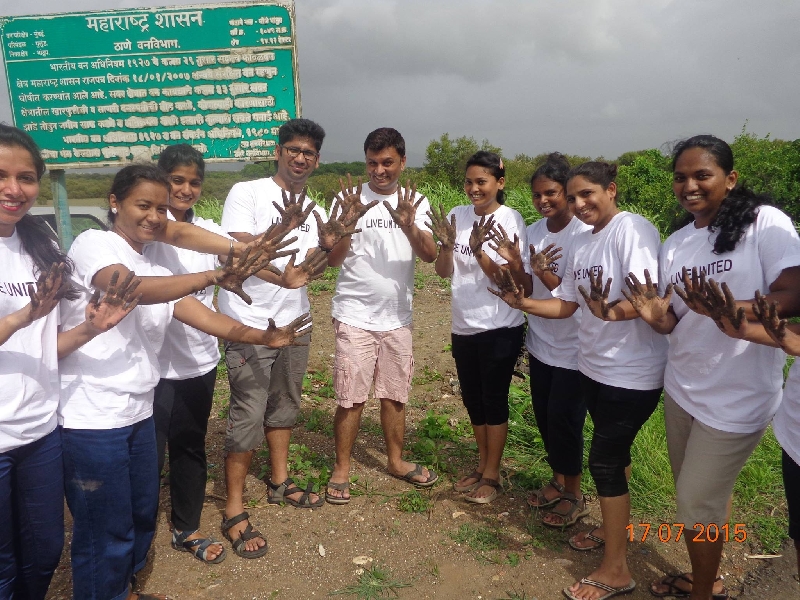
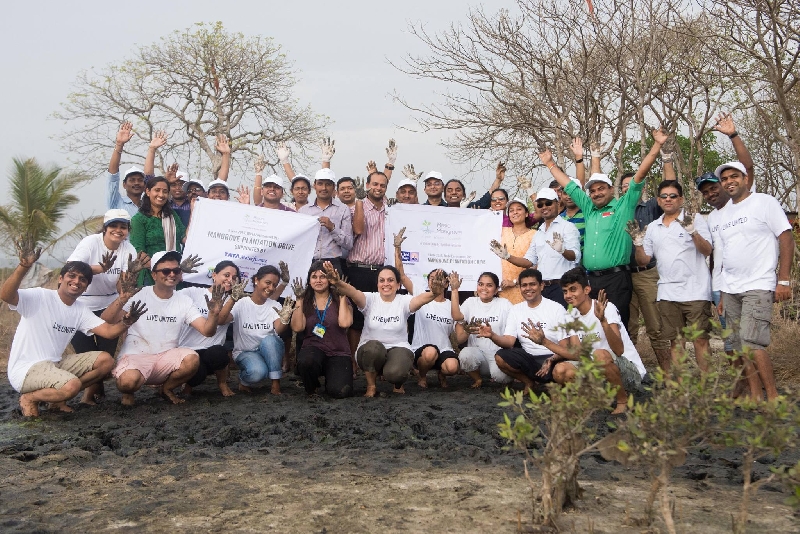
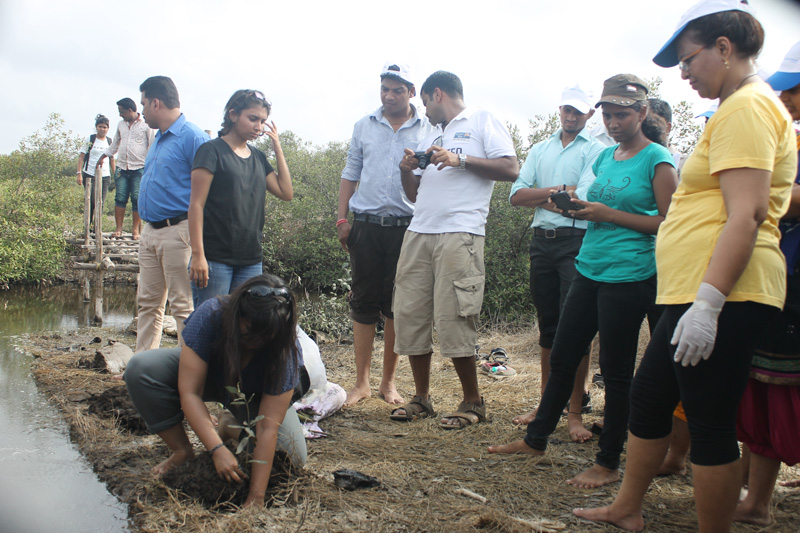
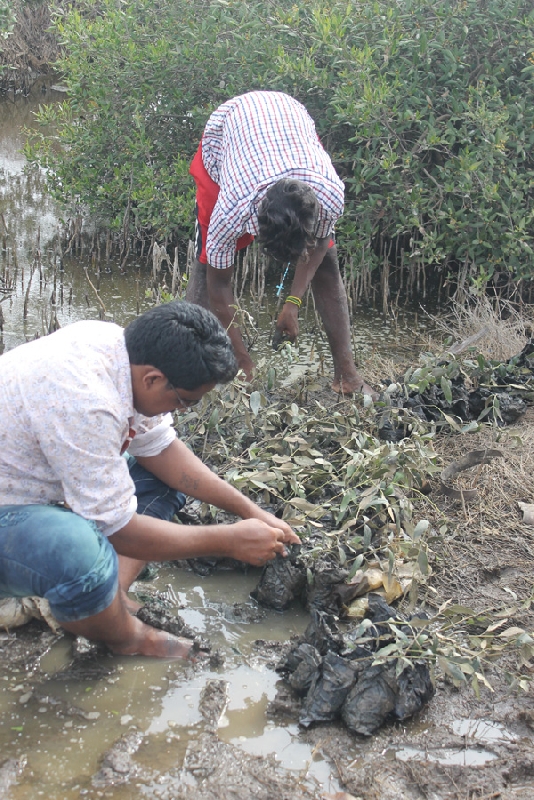
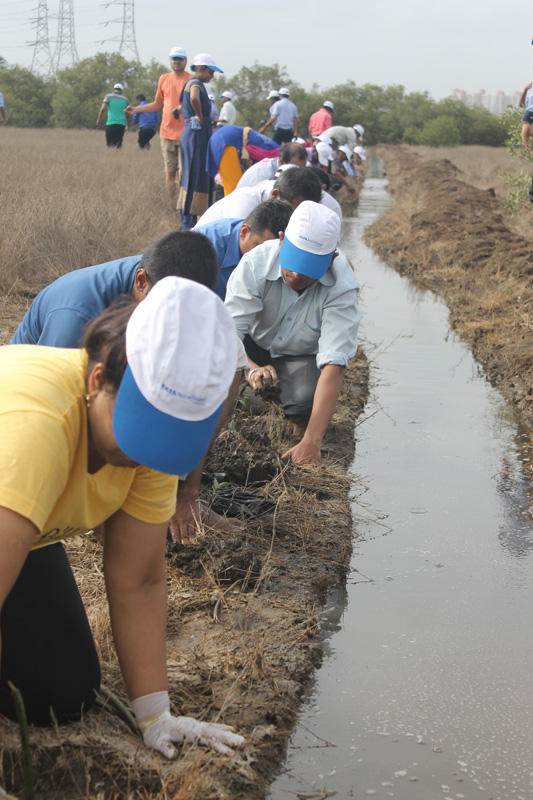
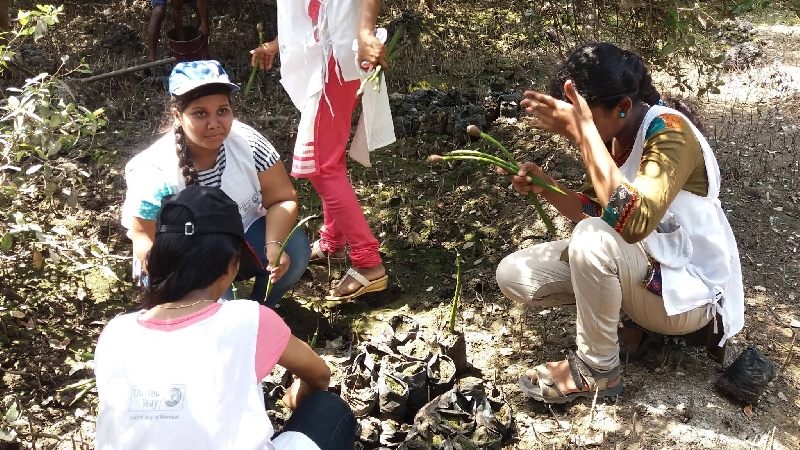
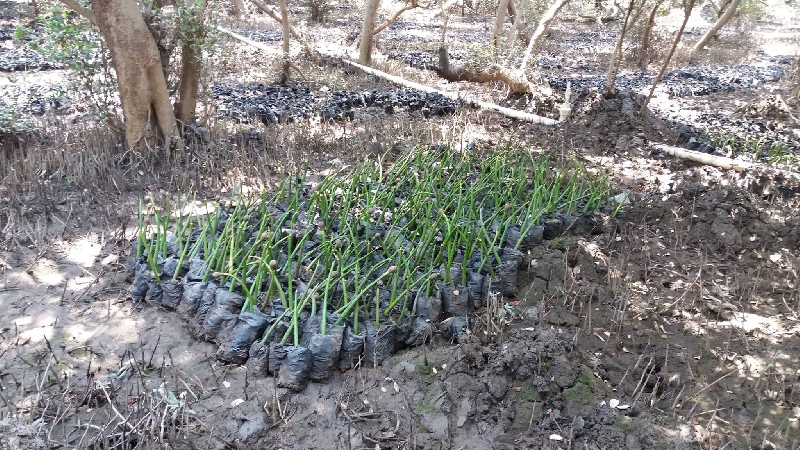
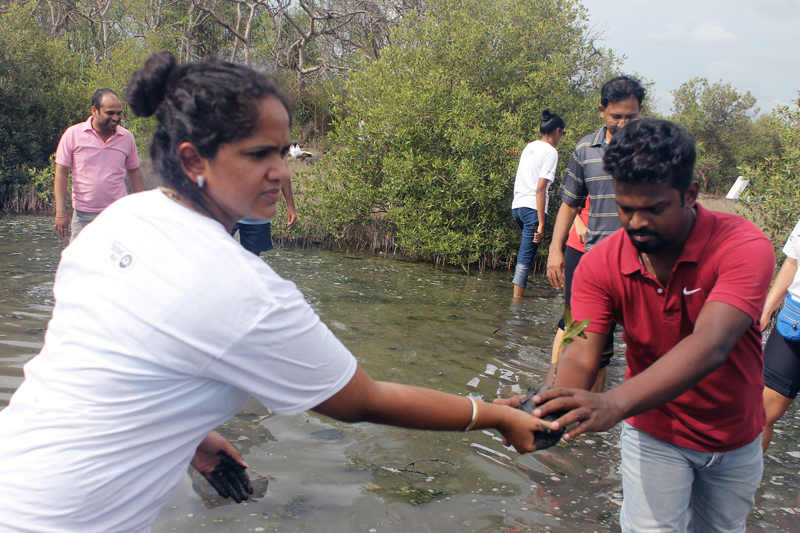
Since 2015, United Way Mumbai has partnered with the Mangrove Cell, Forest Department, Government of Maharashtra to implement structured mangrove restoration initiatives.
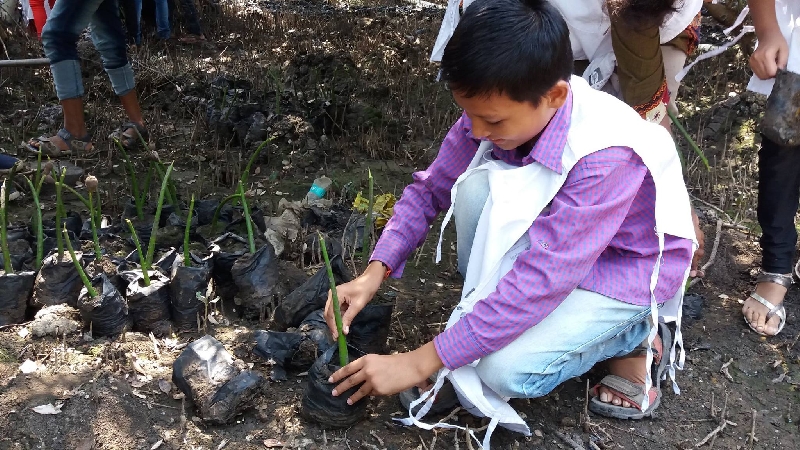
To date, the programme has supported the plantation and maintenance of 1,49,845 mangroves, contributing to the greening of 33 hectares of degraded wetlands in and around Mumbai.
With plantation opportunities becoming limited, Mission Mangroves now prioritises wetland conservation through scientific waste management and community engagement.
A trained team of Safai Saathis is deployed for the daily cleaning and maintenance of adopted wetland sites.
Their work includes:
- Removal of non-degradable waste
- Cleaning to remove soil and silt
- Drying and segregation by waste type
- Safe transportation for further processing
This continuous intervention prevents waste accumulation, restores tidal flow, and protects mangrove root systems.
Their work includes:
- Removal of non-degradable waste
- Cleaning to remove soil and silt
- Drying and segregation by waste type
- Safe transportation for further processing
This continuous intervention prevents waste accumulation, restores tidal flow, and protects mangrove root systems.
Collected waste is transported to a dedicated Material Recovery Centre (MRC) for secondary processing.
At the MRC, waste undergoes:
- Additional cleaning and moisture removal
- Category-wise segregation (plastics, multilayer packaging, thermocol, rubber, etc.)
- Compression and compaction
Processed waste is then channelled to authorised recyclers for recycling and repurposing, reducing landfill burden and environmental leakage.
At the MRC, waste undergoes:
- Additional cleaning and moisture removal
- Category-wise segregation (plastics, multilayer packaging, thermocol, rubber, etc.)
- Compression and compaction
Processed waste is then channelled to authorised recyclers for recycling and repurposing, reducing landfill burden and environmental leakage.
Sustainable wetland protection requires behavioural change.
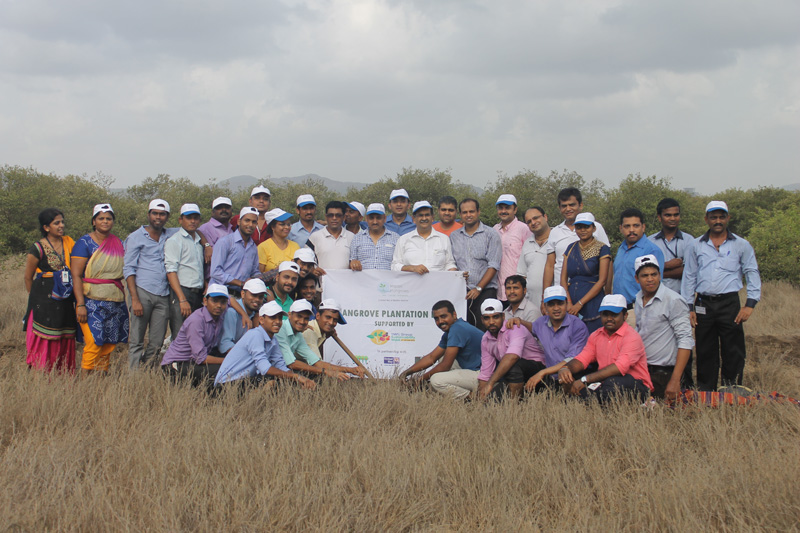
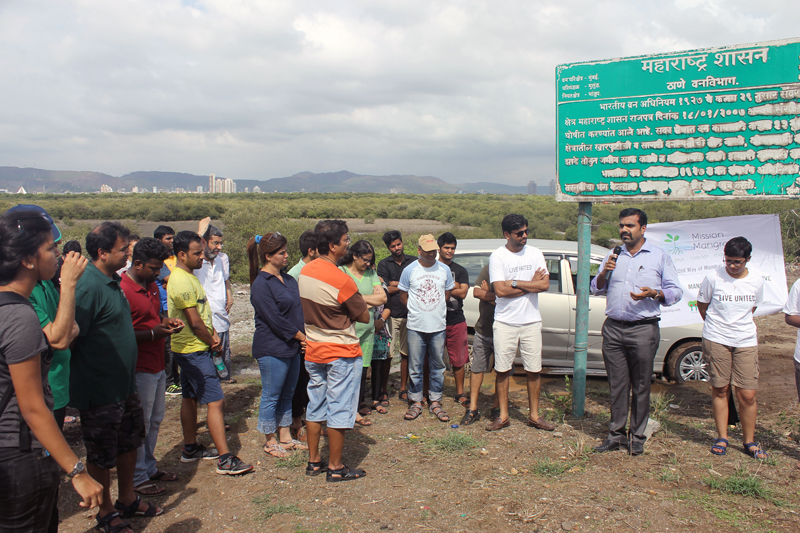
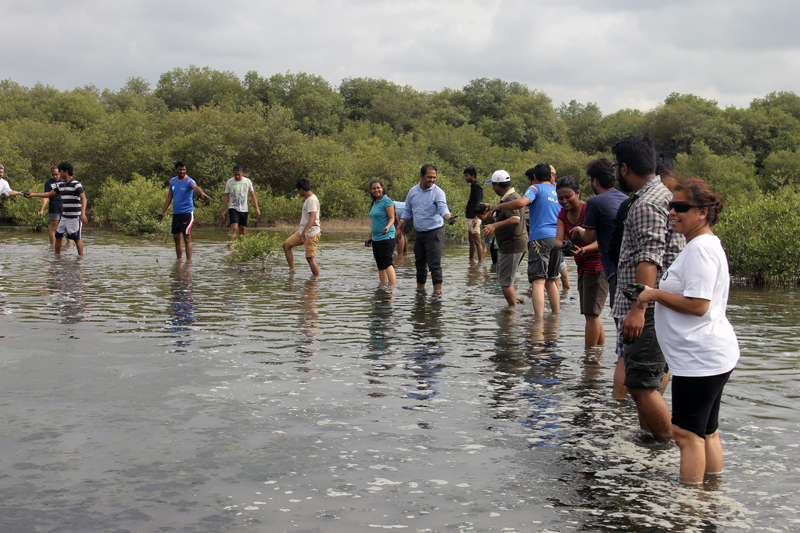
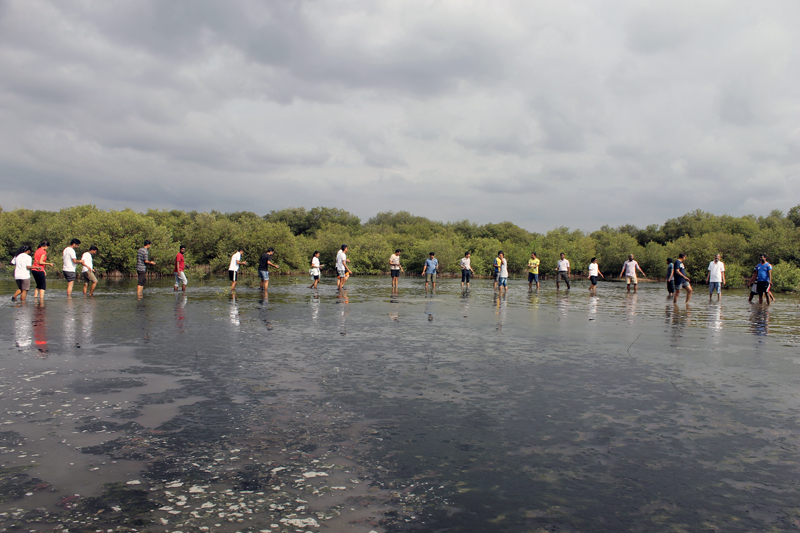
United Way Mumbai’s Mission Mangroves initiative engages communities through:
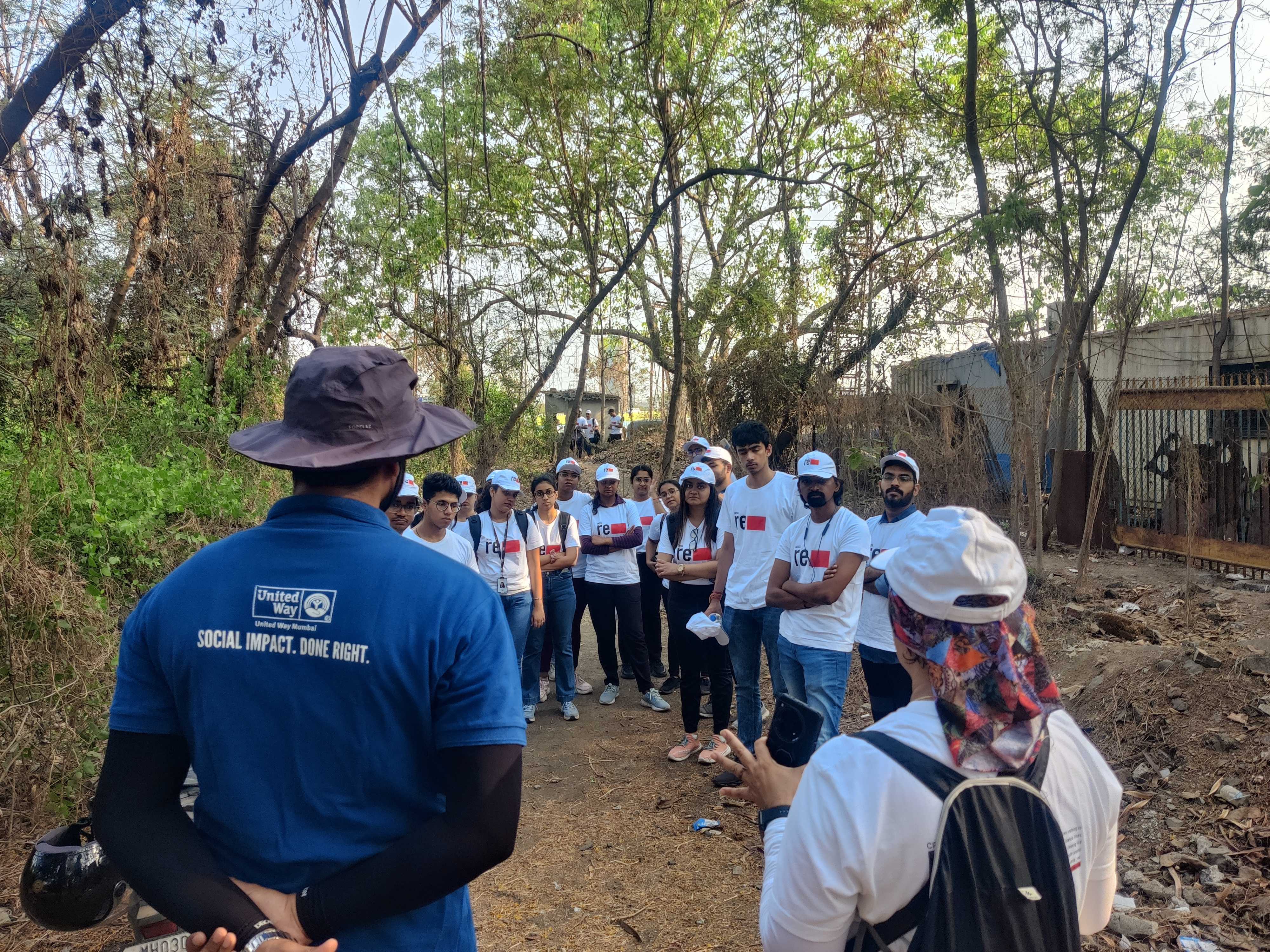
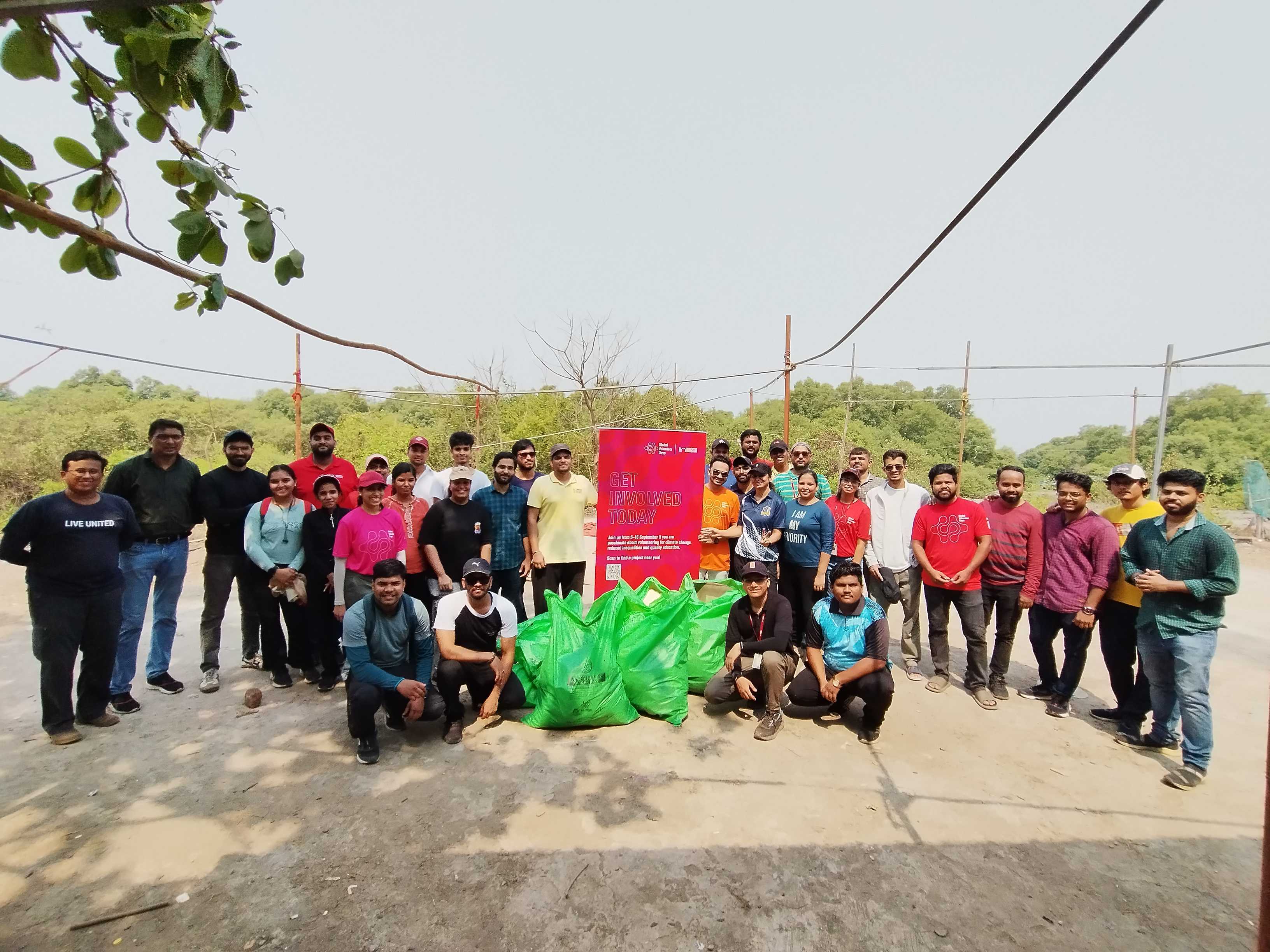
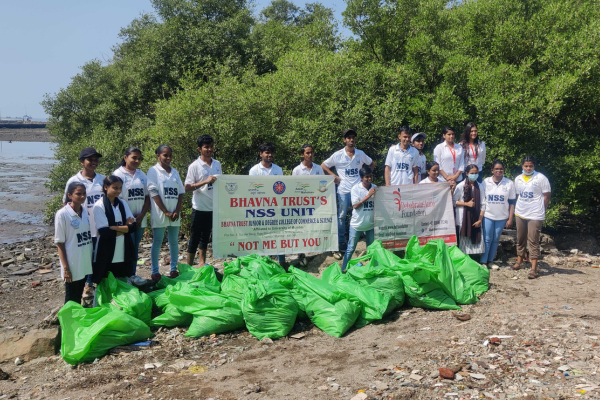
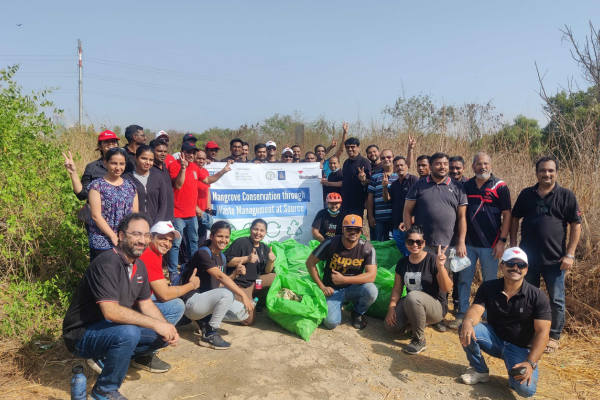
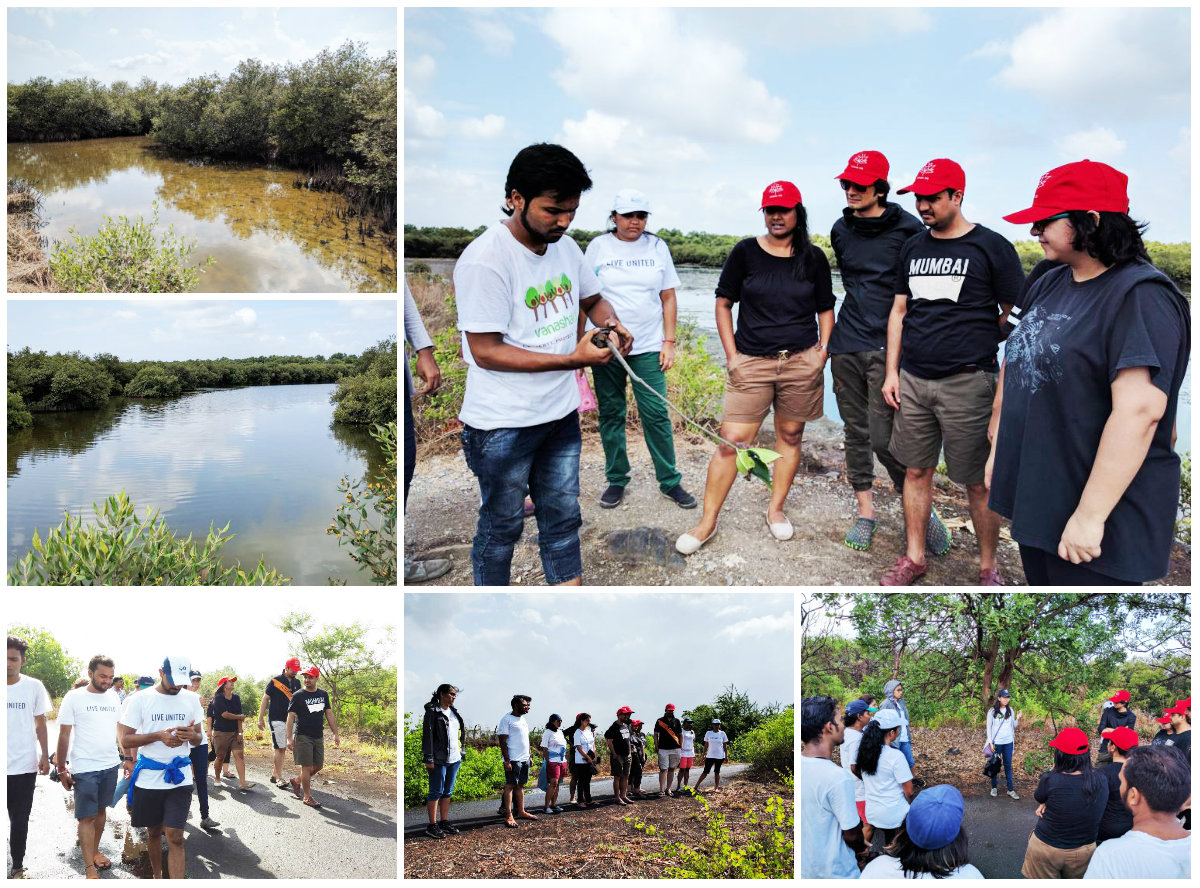
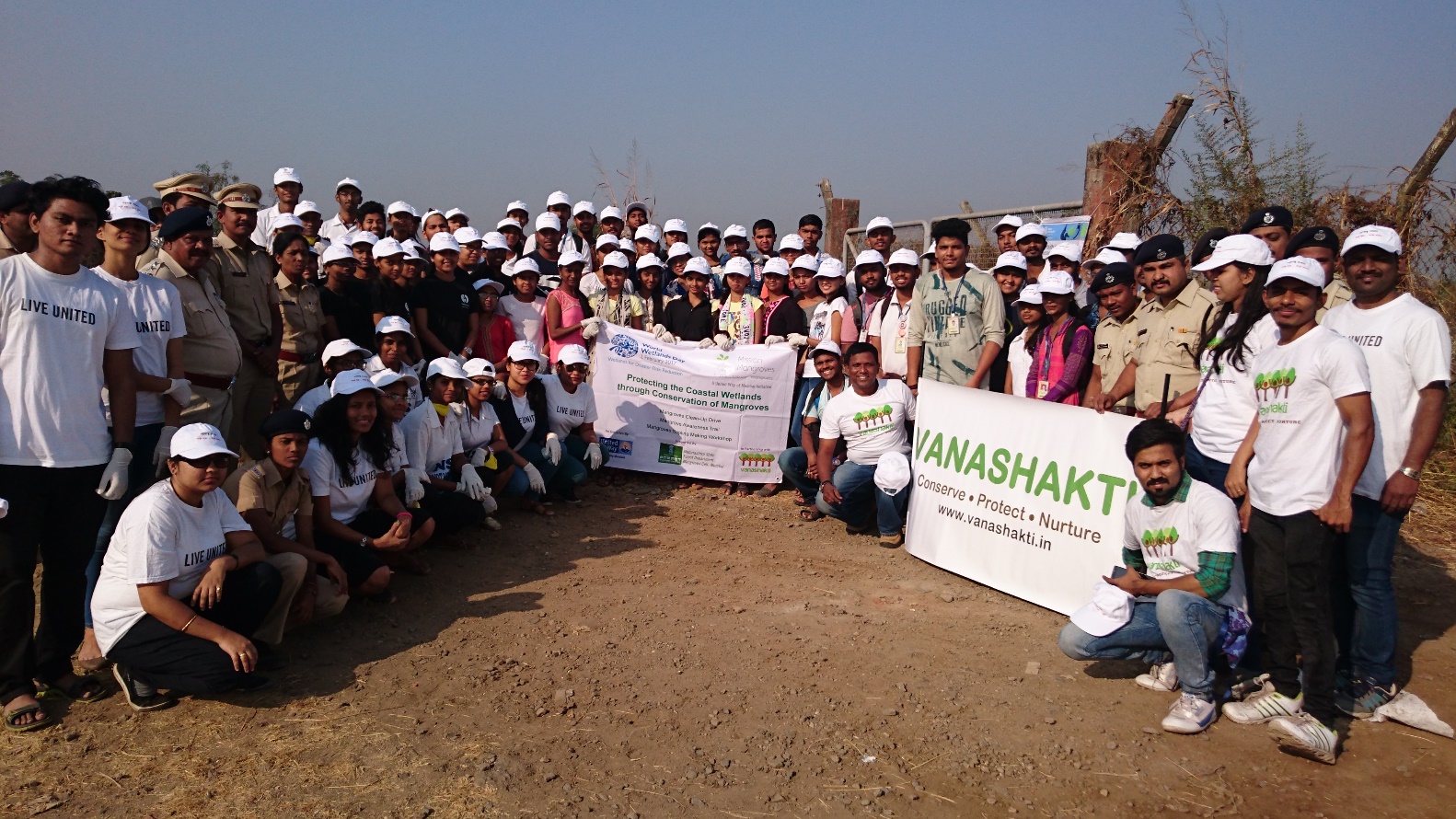
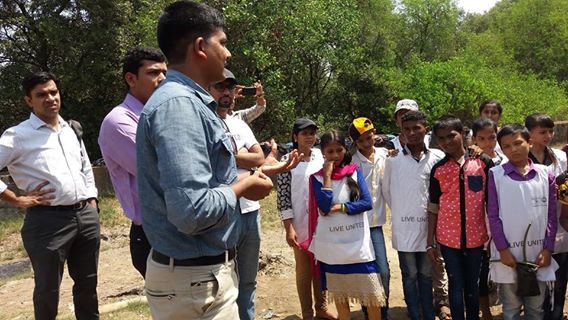
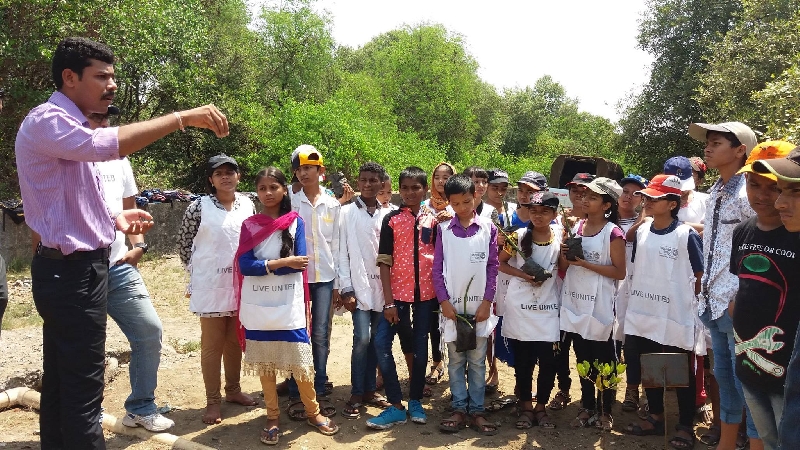
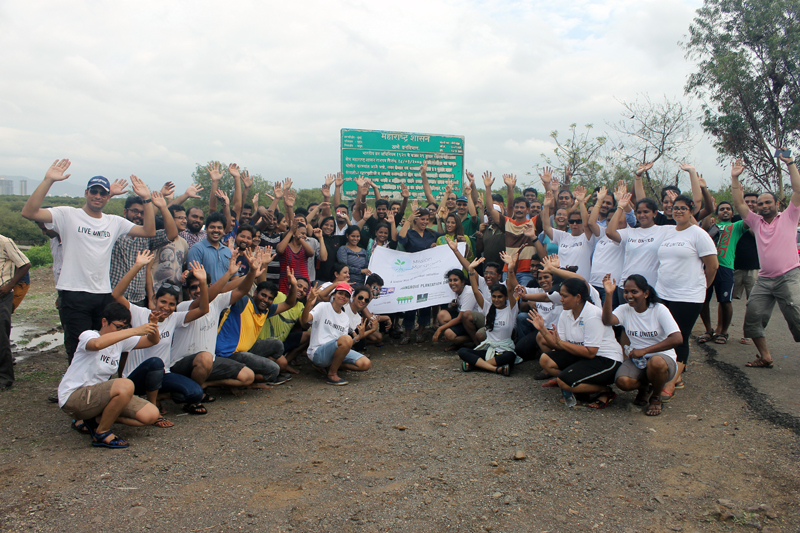
- Volunteer-led wetland clean-up drives
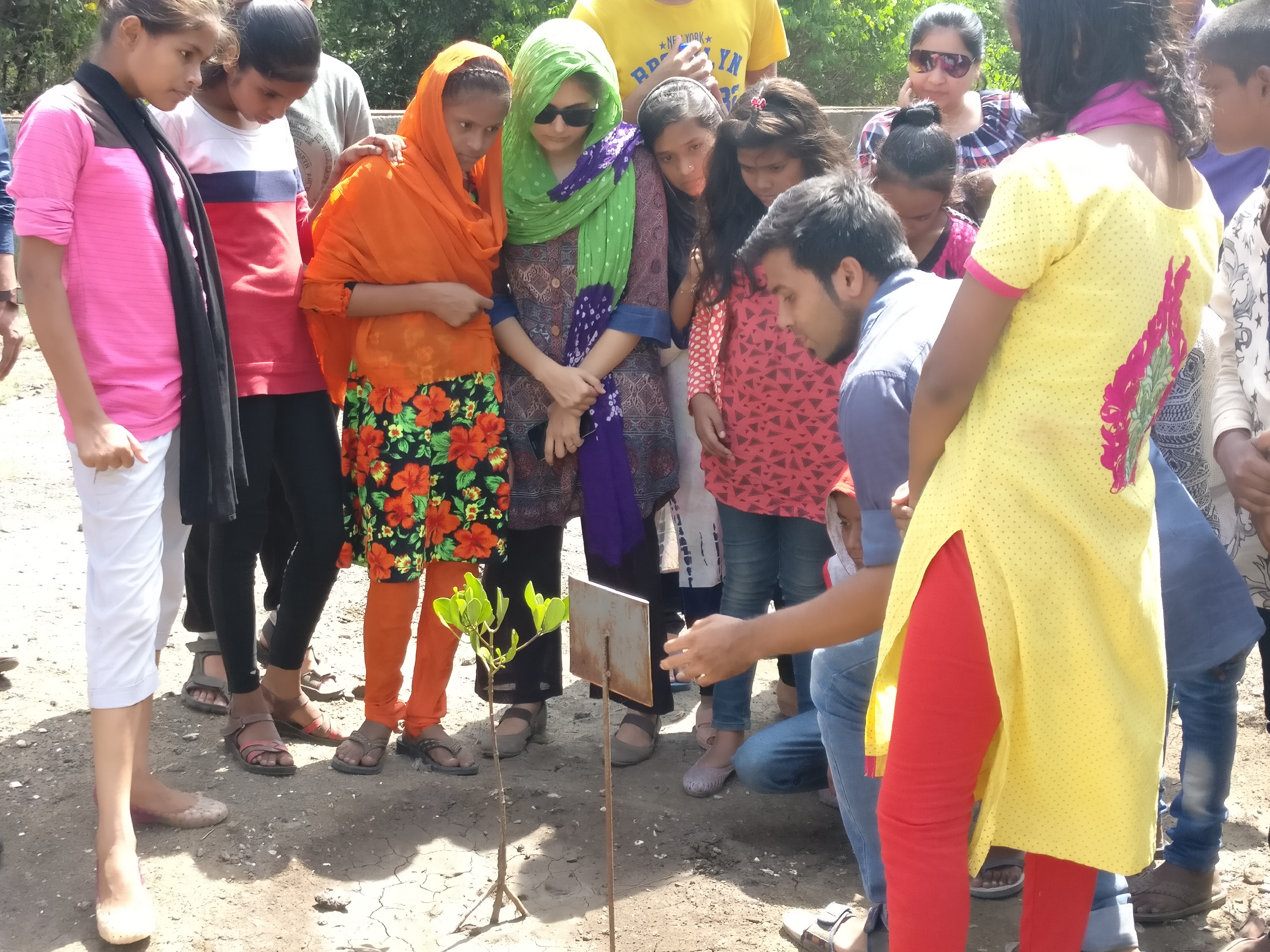
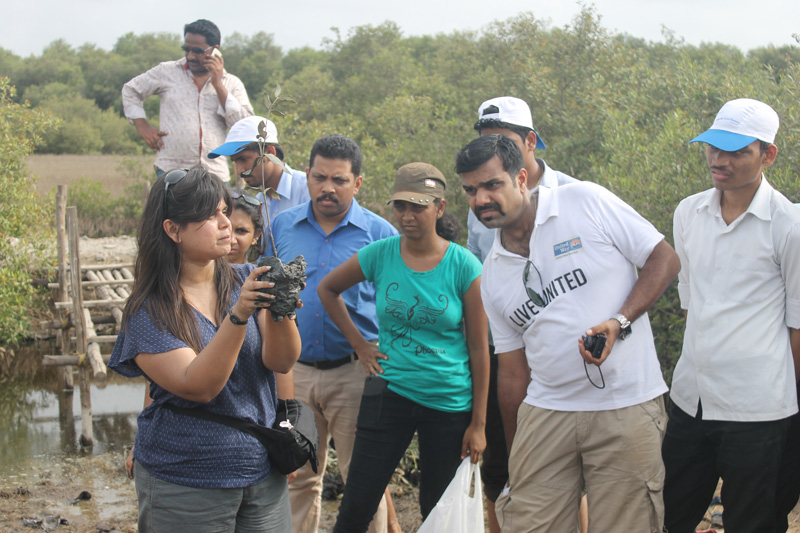
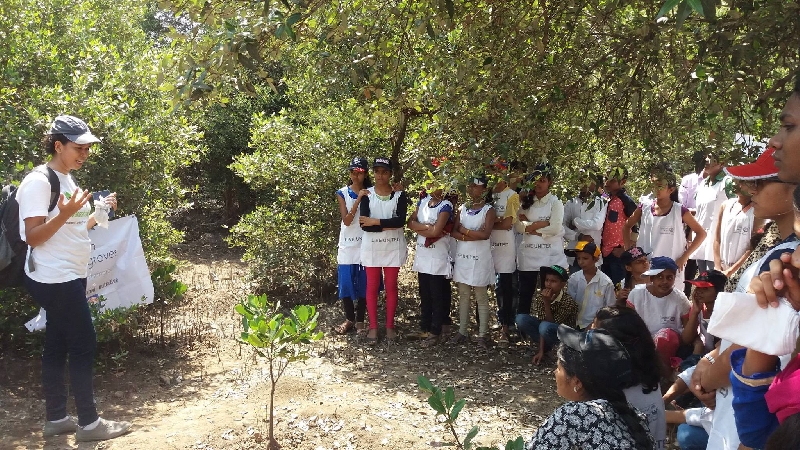
- Guided nature trails
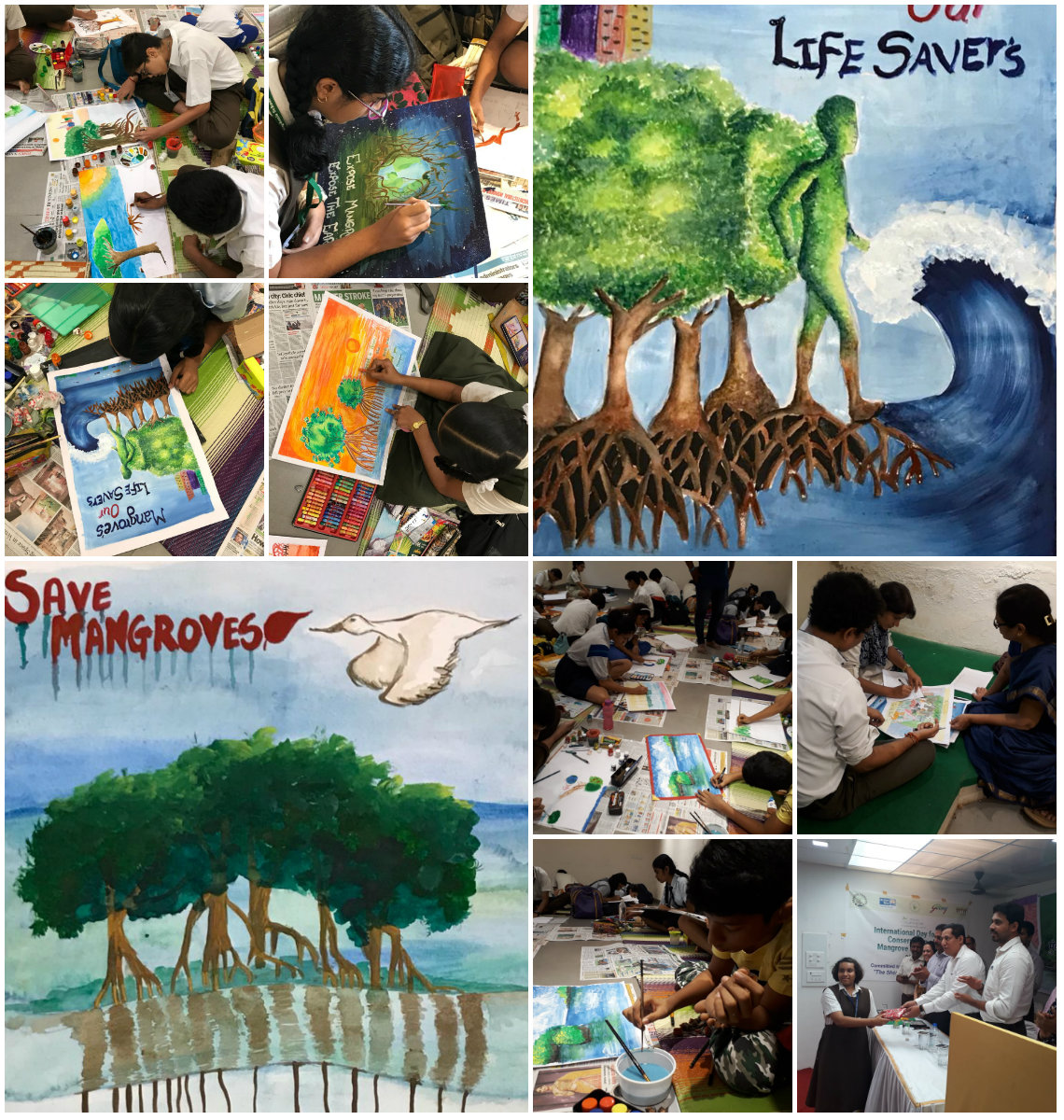
- Environmental awareness sessions in schools and colleges
These initiatives build understanding of mangrove conservation, responsible waste disposal, and urban ecological stewardship.
United Way Mumbai’s Mission Mangroves initiative engages communities through:
- Volunteer-led wetland clean-up drives
- Guided nature trails
- Environmental awareness sessions in schools and colleges
These initiatives build understanding of mangrove conservation, responsible waste disposal, and urban ecological stewardship.